

Hearing aids should fit your hearing. And your life.
Independent, multi-brand hearing-aid care that starts with your hearing results and the moments you want to hear better. We compare technology around real life, then fit, verify and fine-tune it properly.

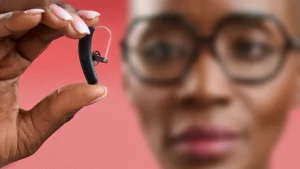

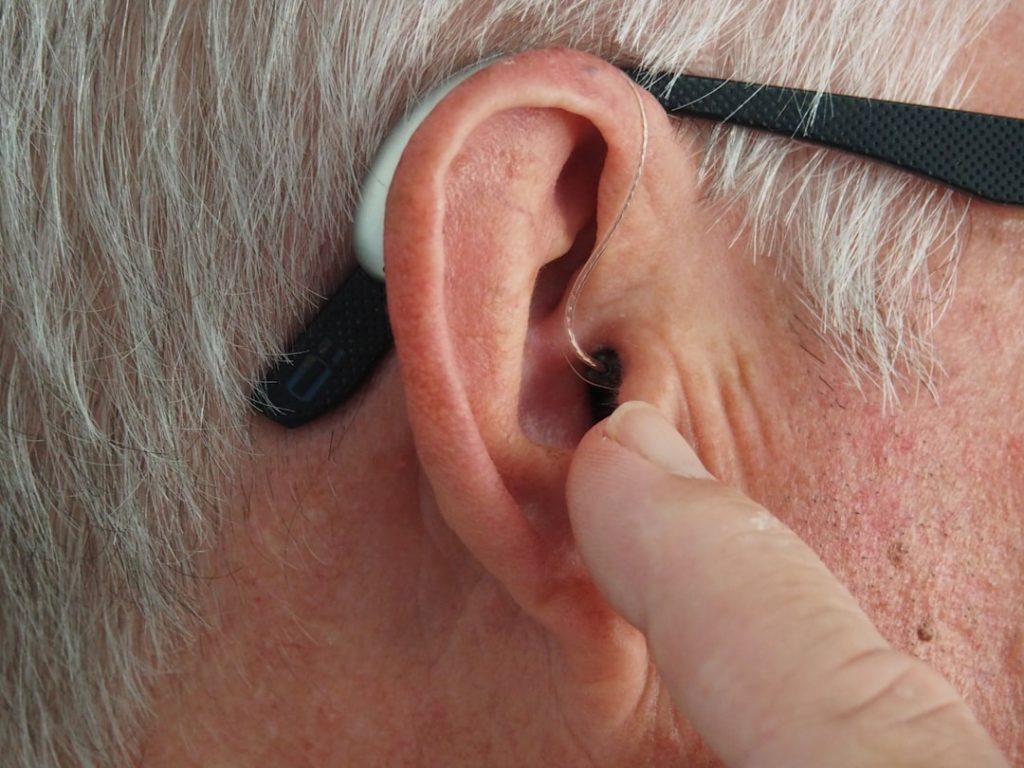
The right hearing aid starts with the right questions.
We do not begin with a logo or a technology tier. We begin with the hearing profile, the listening situations that matter, how the device needs to fit into daily life and what level of ongoing support is realistic.
Build the brief before comparing the device.
Six quick questions organise the real-life priorities that affect hearing-aid choice. The summary does not choose a brand or model. It gives the consultation a better starting point.
Where is hearing most difficult?
What matters most to you?
Which phone do you use most?
How comfortable are you handling small parts?
Which power option feels most practical?
How should we frame the technology budget?
These are the priorities worth comparing.
Bring this summary to the consultation or send it to the practice. It is a discussion brief, not a hearing-aid recommendation.
What do you want hearing aids to make easier?
Technology should be compared around the situations that matter to you, not around a feature list in isolation.
Swipe to explore real-life priorities →

Hear the people beside you, not only the screen.
We consider speech clarity, television options, comfort and a simple daily routine.
Compare: speech processing · TV streaming · handling
Your hearing aids should work with your technology.
Phone model, Bluetooth support, streaming, app control and accessories can influence the shortlist.
Compare: compatibility · calls · app control
Keep up when several voices matter at once.
Busy family spaces can place very different demands on the hearing system than one-to-one conversation.
Compare: microphones · noise management · remote mic support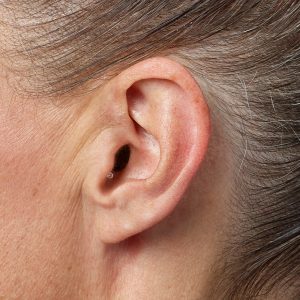
Small is only useful when it is still suitable.
Ear anatomy, hearing level, comfort and handling determine whether a discreet custom or RIC option makes sense.
Compare: custom · RIC · comfort · visibility
Choose for the life you actually live.
Outdoor use, movement, social activity, travel and charging access can all change what feels practical.
Compare: retention · battery routine · durability · accessoriesThe right hearing aid is the one that fits the brief.
Style comes after suitability. We compare format, output, comfort, handling and connectivity around the hearing profile, then narrow the technology from there.
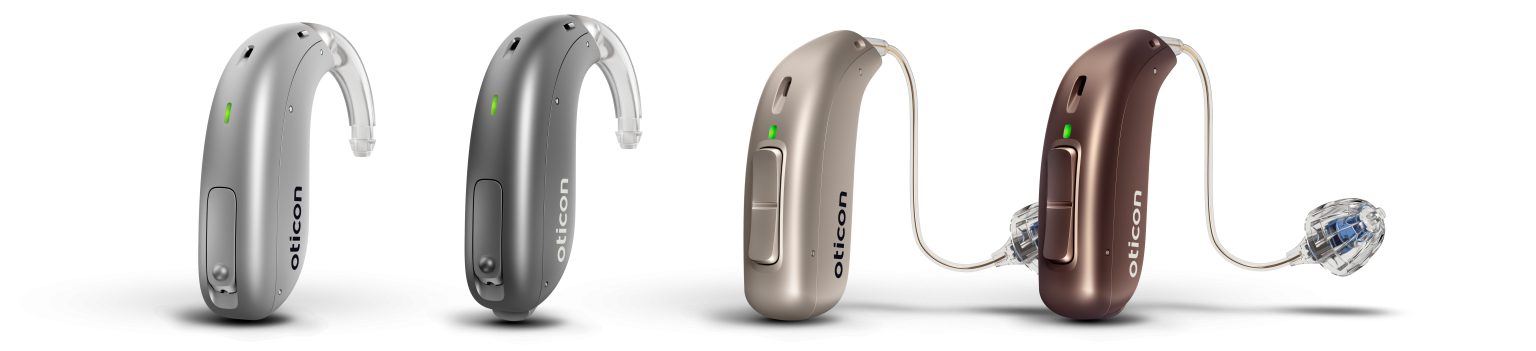
Receiver-in-canal and behind-the-ear
These formats cover a broad range of hearing needs and can offer rechargeable power, connectivity, different receiver strengths and earmould options where needed.
Technology example shown: Oticon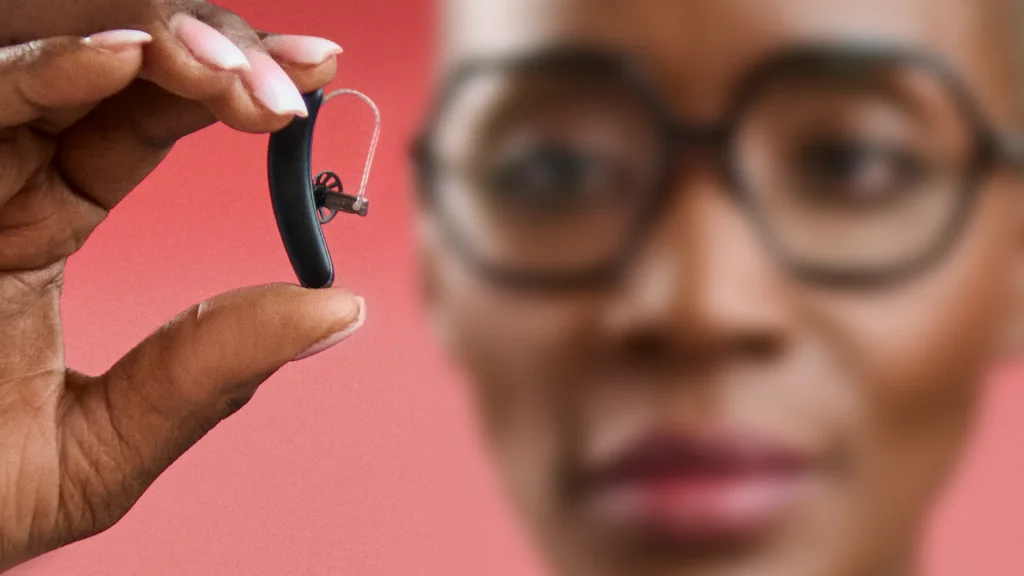
Style can matter too.
Some patients prioritise a slimmer profile, simple charging and modern connectivity.
Example shown: Signia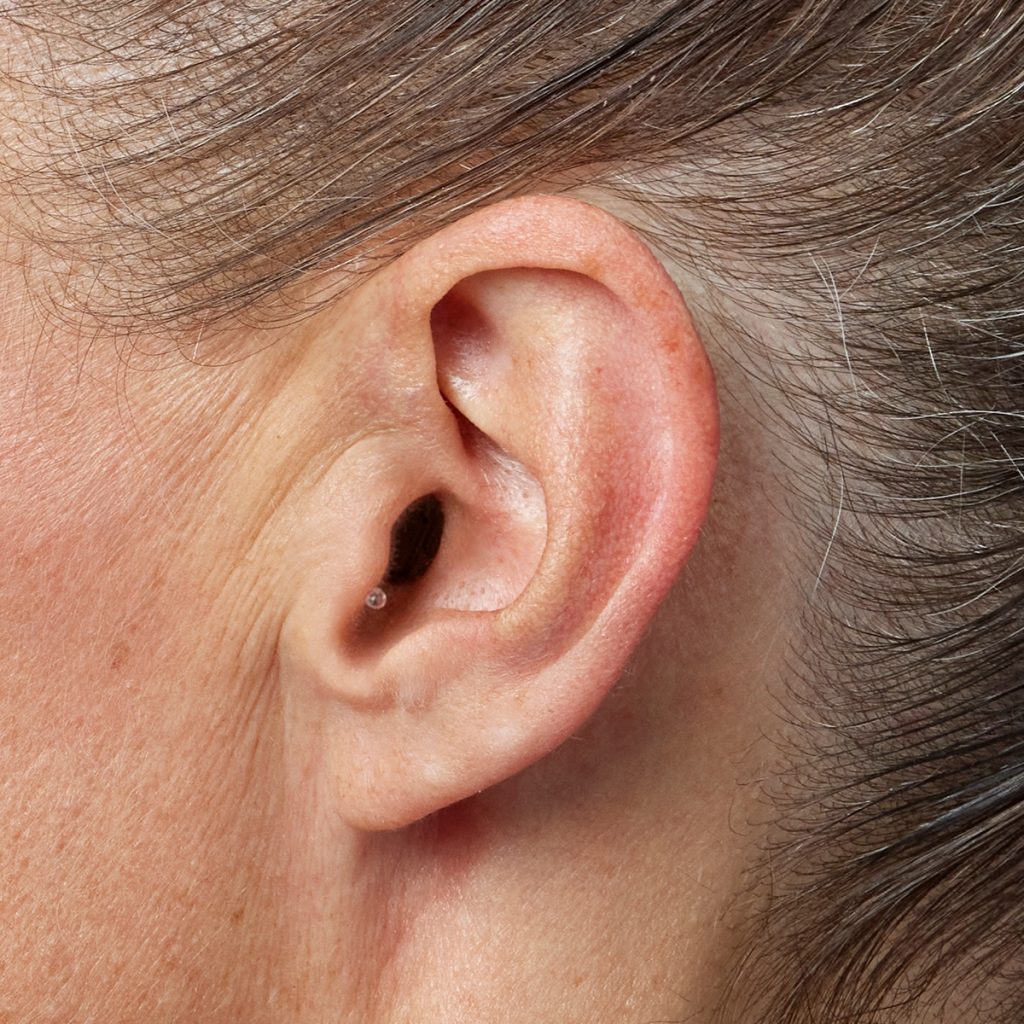
Small only works when it is suitable.
Custom and in-ear options depend on hearing level, anatomy, comfort and handling.
Example shown: Oticon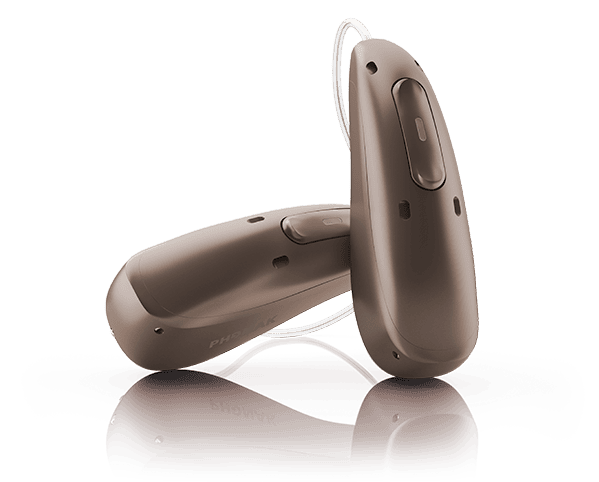
Compact, flexible and widely used.
Receiver-in-canal fittings can be adapted across many adult hearing profiles.
Example shown: PhonakDetailed guides for the brands patients ask us about most.
Use the brand pages to research. Use the consultation to decide. The recommendation can include any suitable brand we supply.
Swipe to compare brand guides →




Choose the format after the hearing need is clear.
Ear anatomy, hearing level, comfort, handling and the required feature set all influence which format is realistic.
A small device sits behind the ear while the receiver sits in the ear canal. This format is flexible across many hearing needs.
Useful where higher output, robust handling, earmould coupling or paediatric fitting considerations matter.
Made for the ear where anatomy, hearing needs, comfort and handling make a custom format appropriate.
Children may need dedicated retention, earmould, safety and school-listening considerations rather than simply a smaller adult device.
CROS is a management pathway for selected single-sided hearing situations. Suitability depends on the hearing profile and wider clinical assessment rather than device style alone.
The device is only one step.
Professional hearing-aid care continues after the hearing aid is selected.
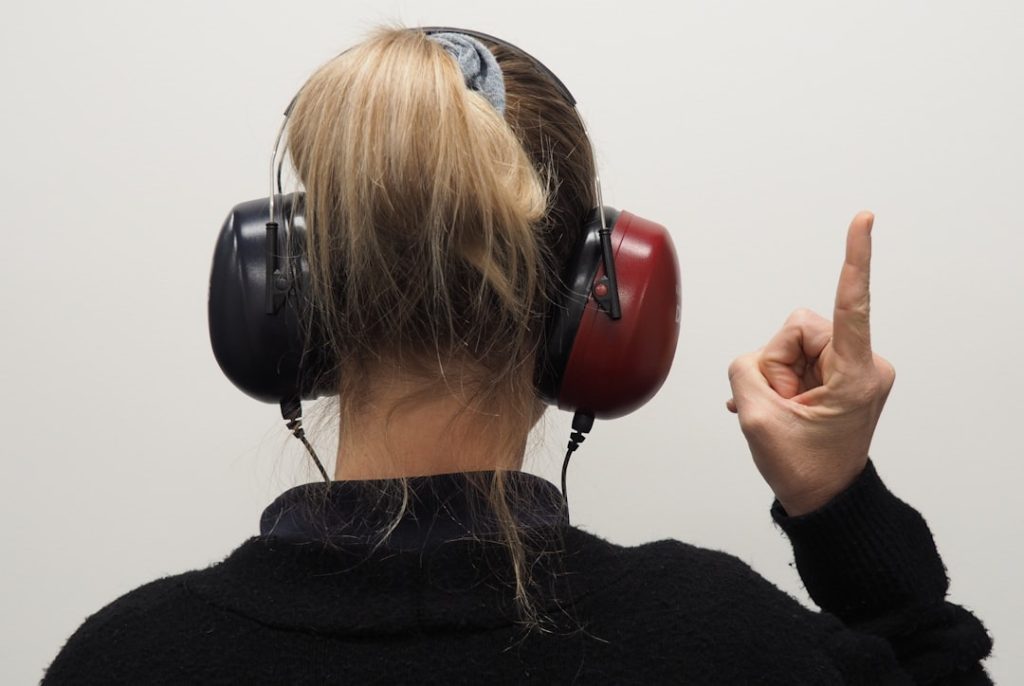
Medical aid quotes and motivation documents can be prepared for suitable cases as part of the process.
Local hearing-aid care for Bryanston, Sandton and greater Johannesburg.
Our practice is based at the Centre for Integrative Medicine, 2 Eaton Avenue, Bryanston, with hearing-aid appointments available to patients from Sandton and greater Johannesburg for diagnostic assessment, multi-brand selection, fitting, verification and follow-up.
We do not recommend a device from location or brand alone. The fitting starts with the hearing loss, speech understanding, ear anatomy, listening priorities, handling, connectivity and budget.
Practice2 Eaton Avenue, Bryanston, JohannesburgView booking and directions →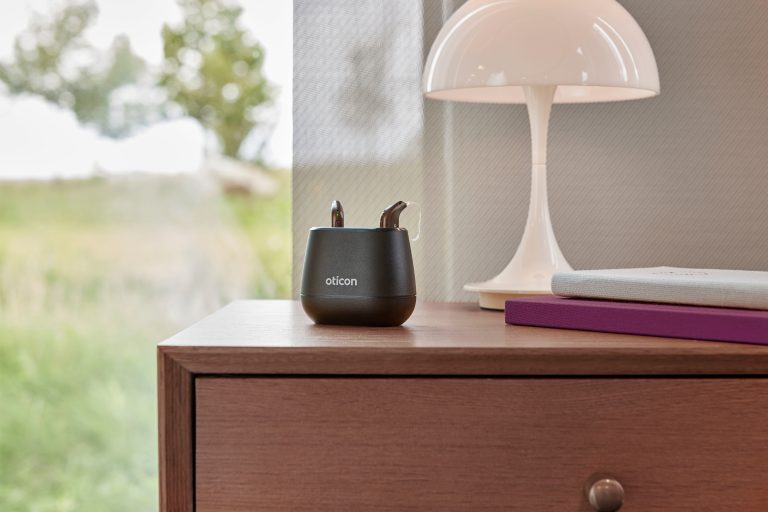
Support does not end when you leave the fitting.
Hearing aids often need practical support after fitting: handling, charging, cleaning, phone pairing, accessories, fine-tuning and understanding whether a problem is the device, the ear or the listening situation.
Questions before choosing hearing aids.
The exact recommendation is individual, but these are useful principles to understand before the consultation.
Do I need a hearing test first?
Yes. Hearing aids should be recommended from a current audiological assessment so the type and degree of hearing loss, ear status and listening needs can be considered.
Can I choose the hearing-aid brand?
Yes. Brand preference can be part of the discussion, but hearing profile, comfort, handling, connectivity, budget and support needs should guide the final choice.
Which brands do you supply?
We supply and support multiple brands, including Phonak, Oticon, Starkey, Signia, Widex, Hansaton and Bernafon, subject to clinical suitability and supplier availability.
Where are hearing-aid fittings done?
Hearing-aid assessments, fittings and follow-up are provided at our practice at the Centre for Integrative Medicine, 2 Eaton Avenue, Bryanston, Johannesburg. We see patients from Bryanston, Sandton and across greater Johannesburg.
Do you help with medical aid?
Quotes and motivation documents can be arranged for suitable hearing-aid cases after the relevant assessment and option discussion. Benefits depend on the individual scheme, plan and available funds.
Can I trial hearing aids before buying?
Selected hearing aids and CROS systems can be trialled when clinically appropriate and when compatible demonstration stock is available. A trial is used to test real-life benefit, not to replace the diagnostic assessment.
Do you see hearing-aid patients from Sandton and Johannesburg?
Yes. The practice is based at 2 Eaton Avenue in Bryanston and sees patients from Sandton and greater Johannesburg for hearing tests, hearing-aid selection, fitting, REM verification and follow-up.
Why is hearing-aid verification important?
Programming targets are a starting point. Real-ear measurements (REM) help verify the fitting against prescribed targets, and follow-up helps fine-tune the devices for real-world use.
Do hearing aids need follow-up appointments?
Yes. Follow-up is important for handling, counselling, fine-tuning, verification and adapting the fitting to real-life experience.
Start with the hearing need, not the device catalogue.
Tell us what is difficult, whether you already have recent hearing results, and any technology or budget priorities you want considered. The team will confirm the appropriate appointment.