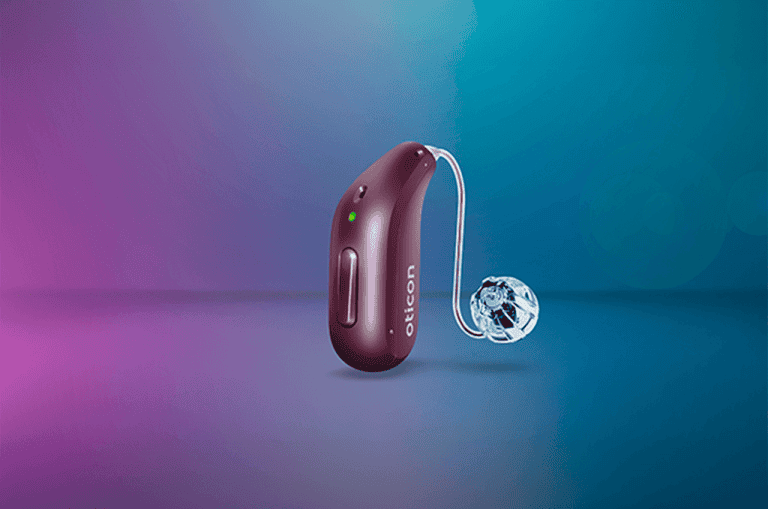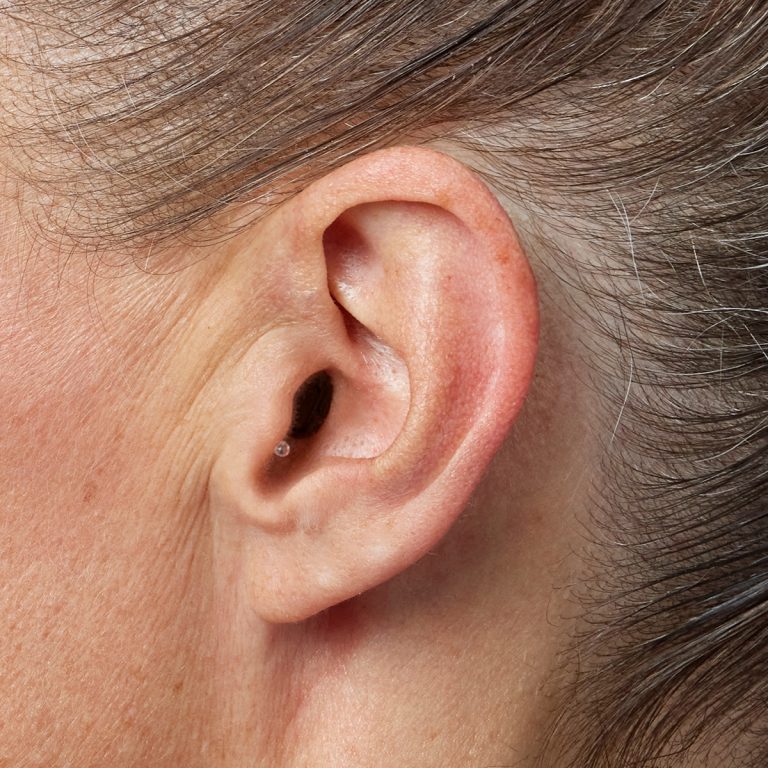





CROS and BiCROS hearing systems are often discussed together because both are designed for people with a large difference between the two ears. They are not, however, the same fitting.
The difference comes down to the hearing in the better ear. In a CROS fitting, the better ear generally does not need conventional amplification. In a BiCROS fitting, the better ear also has hearing loss and needs amplification of its own.
The short answer
CROS: the poorer ear sends sound across to a better ear that does not require significant amplification. BiCROS: the poorer ear still sends sound across, but the receiving hearing aid also amplifies sound for the better ear because that ear has an aidable hearing loss.

Why would sound need to be sent from one ear to the other?
Sometimes one ear has hearing that is so poor, or speech understanding that is so limited, that simply making sound louder on that side does not provide useful benefit. In that situation, a transmitter worn on the poorer side can pick up sound and send it wirelessly to a hearing aid on the better side.
This can reduce the practical disadvantage created by the head-shadow effect, where speech arriving from the poorer side is physically attenuated before it reaches the better ear.
What is a CROS hearing aid?
A CROS system uses a transmitter on the poorer ear and a receiving hearing aid on the better ear. The transmitter does not restore hearing to the poorer ear. It simply makes sound arriving from that side available to the better ear.
This is most relevant when the poorer ear is considered unaidable or offers very limited useful speech information, while the better ear has hearing that does not need substantial conventional amplification.
What is BiCROS?
BiCROS uses the same basic cross-routing idea, but the better ear also has hearing loss. The receiving device therefore performs two jobs: it amplifies sound for the better ear and it receives the signal coming from the transmitter on the poorer side.
That distinction matters clinically. If the better ear needs amplification, a simple CROS arrangement would not address the hearing loss on that side.
CROS and BiCROS do not restore binaural hearing
This is one of the most important expectations to set. Both systems route information to the better ear. They do not make the poorer ear process sound normally again, and they do not recreate true two-ear hearing.
Because of this, sound localisation may remain difficult. The main benefit is often improved access to speech and environmental sound coming from the poorer side, particularly when the listener cannot simply turn the better ear toward the speaker.
Who should be assessed before a CROS trial?
A unilateral or strongly asymmetric hearing loss should not be treated as a product-selection problem before the cause and hearing profile are understood. The assessment usually includes air and bone conduction testing, speech testing and middle-ear measures, with medical or ENT referral when indicated.
Sudden hearing loss is different. A sudden reduction in hearing requires urgent medical or ENT assessment and should not be managed as a routine CROS fitting enquiry.
How do we decide whether the poorer ear is aidable?
The pure-tone audiogram is only part of the answer. Speech understanding can be particularly important. If the poorer ear still obtains useful speech benefit with conventional amplification, a standard bilateral hearing-aid fitting may be preferable to abandoning that ear in favour of CROS routing.
Where speech understanding remains extremely poor despite appropriate amplification, a CROS or BiCROS trial may become more relevant. In some cases, other specialist options may also need discussion depending on the diagnosis and severity.
What Signia CROS options are available?
Signia’s current IX CROS portfolio includes Pure, Styletto, Active and Silk routes. That means the same clinical CROS goal can be delivered through different physical styles, with trade-offs in discretion, handling, charging and connectivity.
Our dedicated Signia CROS hearing-aid guide explains the current options in more detail.
What should you expect from a CROS or BiCROS trial?
The trial should focus on real listening situations, not only whether sound is audible in the clinic. Useful questions include whether conversation from the poorer side is easier to follow, whether the system is comfortable for a full day, whether phone and streaming features behave as expected and whether the wearer can manage charging and maintenance.
It is also reasonable to test expectations in noise. CROS can make speech from the poorer side accessible, but if the transmitter is facing noise rather than speech, routing that signal can sometimes be less helpful. Modern systems use processing strategies to manage this, but the acoustic situation still matters.
Frequently asked questions
Is CROS only for total deafness in one ear?
No. The key issue is whether the poorer ear provides useful benefit from conventional amplification. Some people have measurable residual hearing but very poor speech understanding and may still be considered for CROS.
Will CROS help me locate where sound comes from?
It can improve access to sound from the poorer side, but it does not restore normal binaural localisation because the information is still being delivered to the better ear.
How do I know whether I need CROS or BiCROS?
The hearing level and speech performance of the better ear determine this. If the better ear also needs amplification, BiCROS is generally the more relevant concept.
Start with the diagnosis, then trial the routing
We assess unilateral and asymmetric hearing loss in Bryanston and can discuss CROS or BiCROS where appropriate. If the loss is sudden or medically concerning, referral comes before a routine device trial.
Manufacturer reference
Current Signia product routes checked against Signia South Africa CROS IX. Product suitability and availability are confirmed individually.