


There is no single “Signia hearing aid price” in South Africa. The cost changes according to the product family, technology level, whether one or two devices are required, the physical style, charger and accessories, and the professional services included in the fitting.
That is why comparing hearing-aid quotes by the device name alone can be misleading. Two quotes can mention the same brand while including very different technology levels, fitting services and follow-up.
The short answer
The price of a Signia fitting is shaped by technology + number of devices + style + accessories + professional care. Medical-aid contribution varies by scheme and plan, so a benefit check and written quote are more useful than a generic online price.
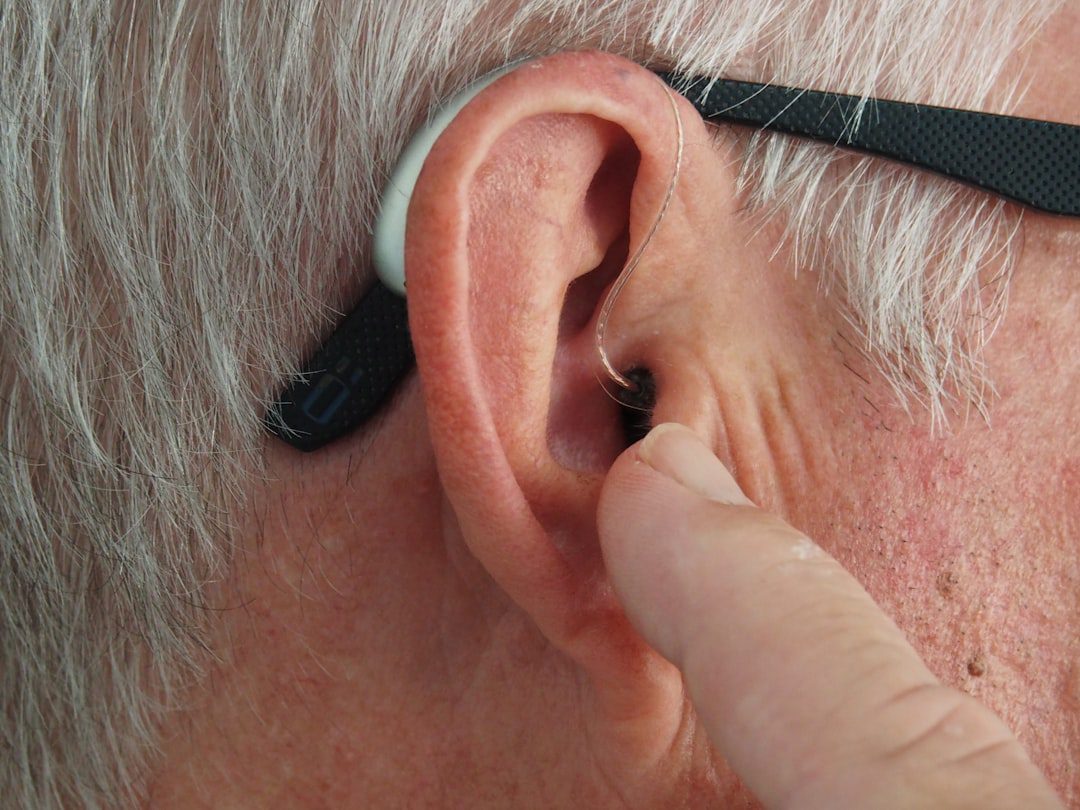
Why Signia hearing aids do not have one fixed retail price
Signia is a manufacturer with several current product families rather than one hearing aid. Pure, Styletto, Motion, Active, Silk, Insio and CROS systems solve different fitting problems. Within a family there may also be different technology or connectivity configurations.
Manufacturer websites therefore focus on products and features rather than one universal clinic retail price. The final South African quote depends on the exact devices supplied and the professional service model of the practice providing them.
1. Technology level changes the price
Most major hearing-aid manufacturers offer more than one technology level within a product family. Higher levels may provide more sophisticated processing, more adjustment channels or access to advanced features depending on the platform.
The most expensive technology level is not automatically necessary for every patient. Someone who mainly communicates in quiet one-to-one settings may have different needs from someone who spends every week in meetings, restaurants and large social groups.
2. One hearing aid versus a pair
If both ears have aidable hearing loss, two hearing aids are commonly recommended because the hearing system is designed to use information from both sides. A bilateral fitting naturally costs more than a unilateral fitting because two devices are supplied.
A unilateral fitting should not be chosen purely to reduce the quote when both ears are candidates. Conversely, a CROS or BiCROS arrangement for single-sided hearing loss follows a different clinical logic. See our guide to CROS vs BiCROS.
3. The hearing-aid style can change the cost
A rechargeable RIC, a power BTE, a ready-to-wear CIC-style device and a custom-made hearing aid are not the same product. Custom shells require an impression and manufacturing process. Rechargeable products may include a charger. Some devices require custom earmoulds, receivers or specialised coupling.
If discretion is the priority, our guides to Signia Silk vs Insio and IIC vs CIC vs ITC vs ITE explain why the smallest device is not always the simplest or most appropriate.
4. Accessories and connectivity can add to the package
Portable chargers, Dry&Clean chargers, TV streamers, remote microphones and other accessories can change the total quote. Some are essential to the patient’s communication goals; others are optional conveniences.
Connectivity can also influence the exact model chosen. For example, Signia’s Pure IX family includes different routes for MFi, ASHA, LE Audio and Bluetooth Classic. The correct connectivity option is more valuable than paying for an impressive feature that does not work with the devices you actually use. See Bluetooth Classic vs LE Audio.
5. Professional fitting and verification are part of the value
A hearing aid is not a finished clinical product straight from the box. The fitting process includes assessment, device selection, programming, physical fit, counselling, verification and follow-up. These services can differ substantially between providers.
One of the most useful questions when comparing quotes is: Does the fitting include real-ear measurement? REM objectively checks the sound delivered in the individual ear canal rather than relying only on the manufacturer’s predicted first fit. Read our guide to real-ear measurement.
6. New platforms can be priced differently from established platforms
Signia introduced its Multi-adaptive Xperience platform in 2026, with Pure C&G MaX as the first product route. Integrated Xperience remains current across a broader range of devices. New platform availability and technology levels can affect the quote.
It is worth comparing the clinical difference rather than assuming a new platform automatically justifies a higher spend. See Signia MaX vs IX and Pure C&G MaX vs Pure IX.
Does medical aid pay for Signia hearing aids in South Africa?
Medical-aid funding varies substantially by scheme, plan, available benefits and the member’s remaining funds. There is no rule that applies to every South African medical aid.
Depending on the plan, the process may require a diagnostic audiology report, quotation, hearing-aid recommendation, motivation or pre-authorisation. Some plans may contribute only up to a specific limit, while others may fund through a defined benefit structure or available savings. The patient may remain responsible for a shortfall.
What we can provide for a medical-aid application
After an appropriate diagnostic assessment and hearing-aid recommendation, we can provide the clinical documentation and quotation required for the relevant funding process. The exact documents depend on the medical aid and plan.
We recommend confirming benefits before assuming that a hearing-aid purchase will be reimbursed. A call to the scheme with the member’s plan details can clarify available hearing-device benefits, limits and submission requirements.
What should a good hearing-aid quote tell you?
A useful quote should identify the manufacturer, exact model or family, technology level, whether the price is for one device or a pair, charger and accessories, custom components where relevant, and the professional fitting or follow-up services included.
If two quotes differ substantially, compare what is actually included before deciding that one practice is simply more expensive.
Why we do not recommend choosing by price alone
A cheaper hearing aid that does not match the hearing loss, connectivity needs or everyday listening environments is poor value. Equally, an expensive premium device that is not verified or that includes technology the patient does not need is not automatically good value.
Our approach in Bryanston is to establish the hearing and communication needs first, then discuss suitable technology and price options. Signia is one of several major brands we fit, so the recommendation is not restricted to one manufacturer.
Frequently asked questions
Why don’t you publish one Signia price list?
The quote depends on the exact technology level, number of devices, style, charger, accessories and clinical package. Manufacturer portfolios and local pricing also change over time. A dated generic price list can therefore be misleading.
Can I get a quote before ordering?
Yes. A written quote can be prepared once the hearing-aid recommendation and relevant model options are clear. This can also be used for a medical-aid funding enquiry where appropriate.
Does a higher price guarantee better hearing?
No. Higher technology can offer meaningful features for the right listener, but outcome still depends on candidacy, speech understanding, physical fit, programming, verification and real-world use.
Get a quote built around your hearing needs
We provide hearing-aid assessment, trials where available, written quotes, medical-aid documentation and verified fittings in Bryanston. Bring your medical-aid plan details if you want us to factor funding into the discussion.
Related Signia resources
Explore our Signia hearing-aid hub, Pure C&G MaX guide, custom and discreet options, Signia CROS options or compare all hearing-aid brands.