




Made for your ear. Designed to stay out of the way of life.
Oticon Own SI combines discreet IIC and CIC custom styles with current BrainHearing processing. Before recommending it, we assess ear anatomy, hearing loss, wax, comfort, handling and whether the small custom format can provide the features you actually need.

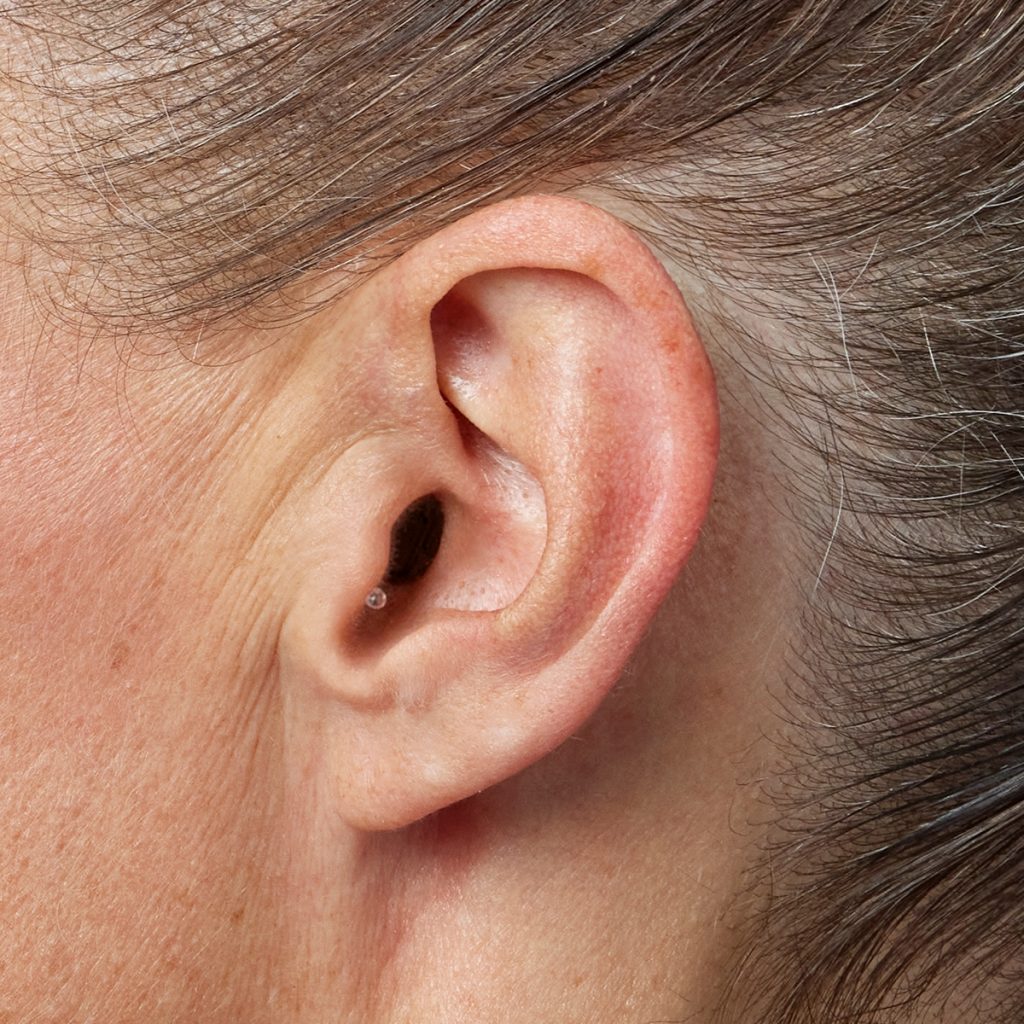
The device is built around the shape and acoustics of your ear.
A custom hearing aid begins with a diagnostic assessment and a safe, accurate ear impression. The manufacturer then builds the shell around the available canal space, required components, receiver power, venting and extraction method.
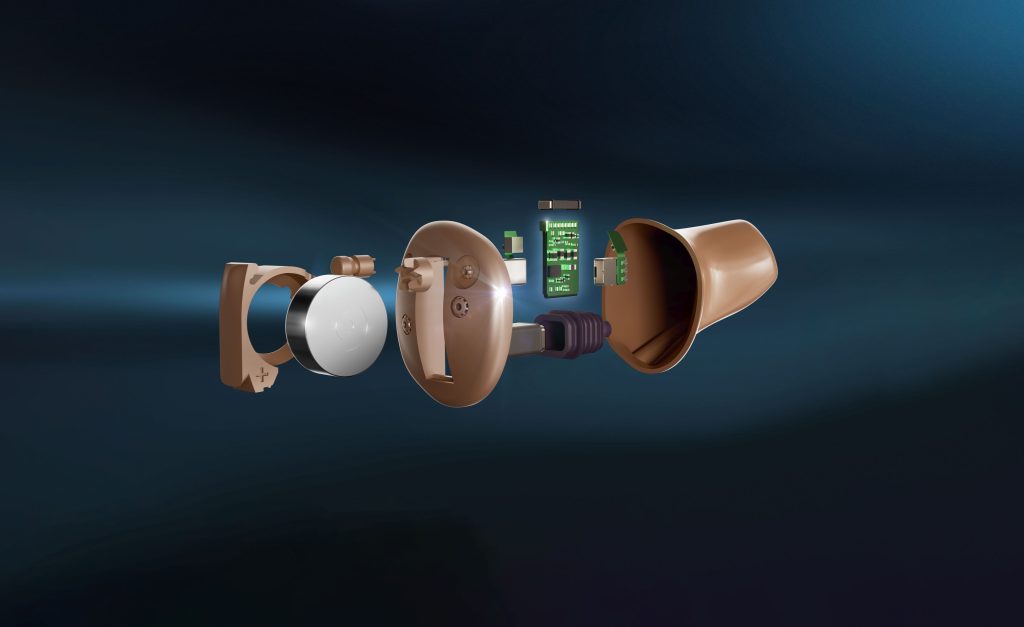
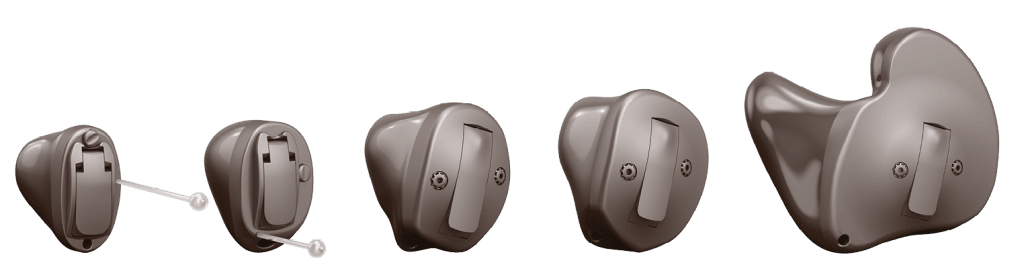
Both are discreet. They solve different practical problems.
The deeper style is not automatically the better style. Anatomy, hearing loss, handling and acoustic requirements decide which format is possible.
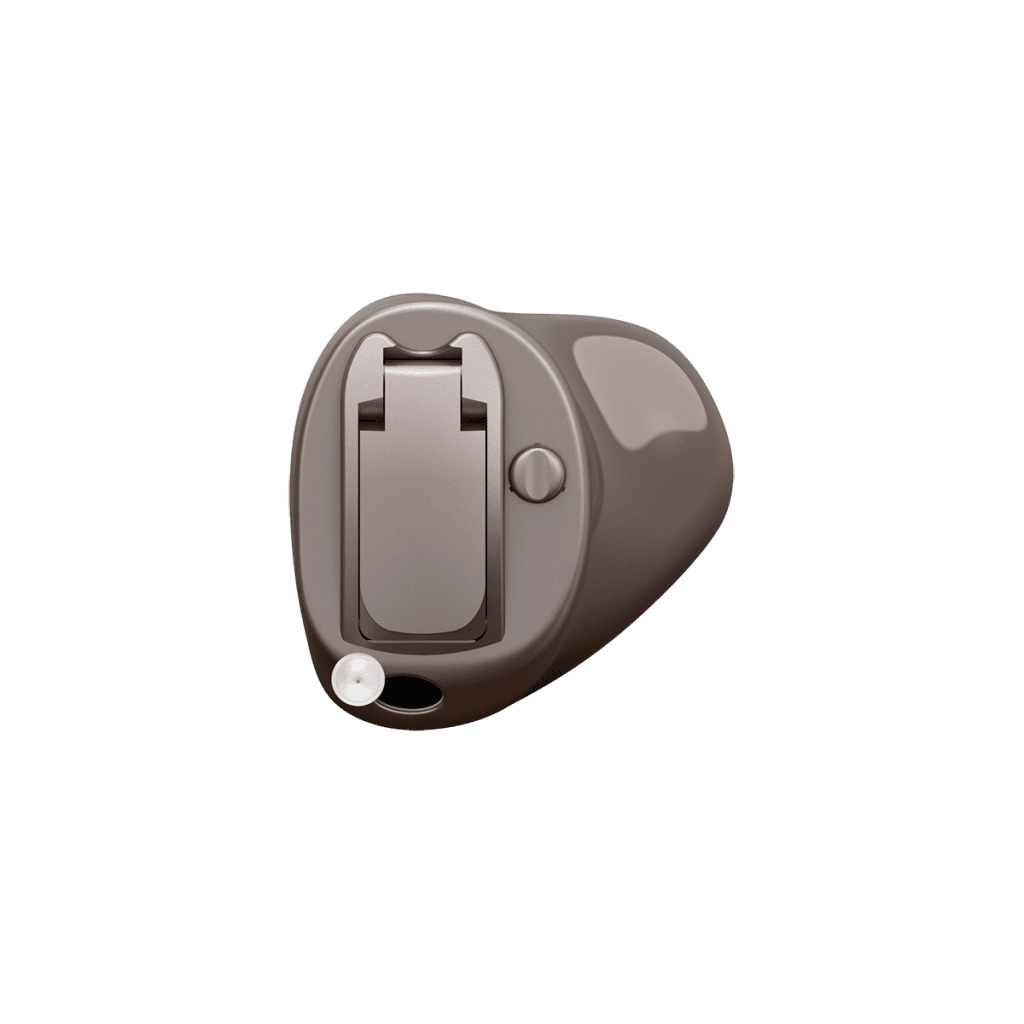
IICInvisible-in-the-canal
Sits deeper in suitable ear canals and is designed for maximum discretion.
- Potentially least visible
- Requires sufficient canal space
- Small size can make handling harder
- Feature and power options are constrained by shell size
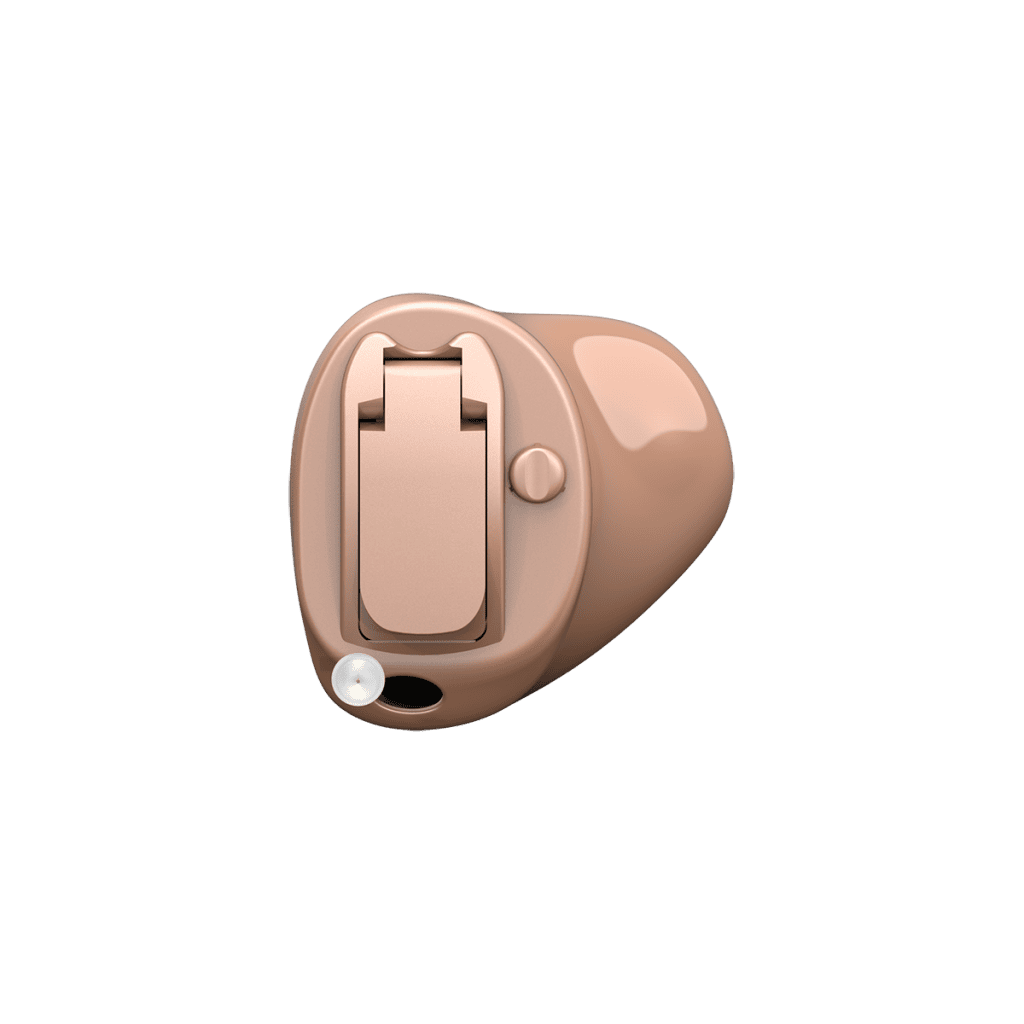
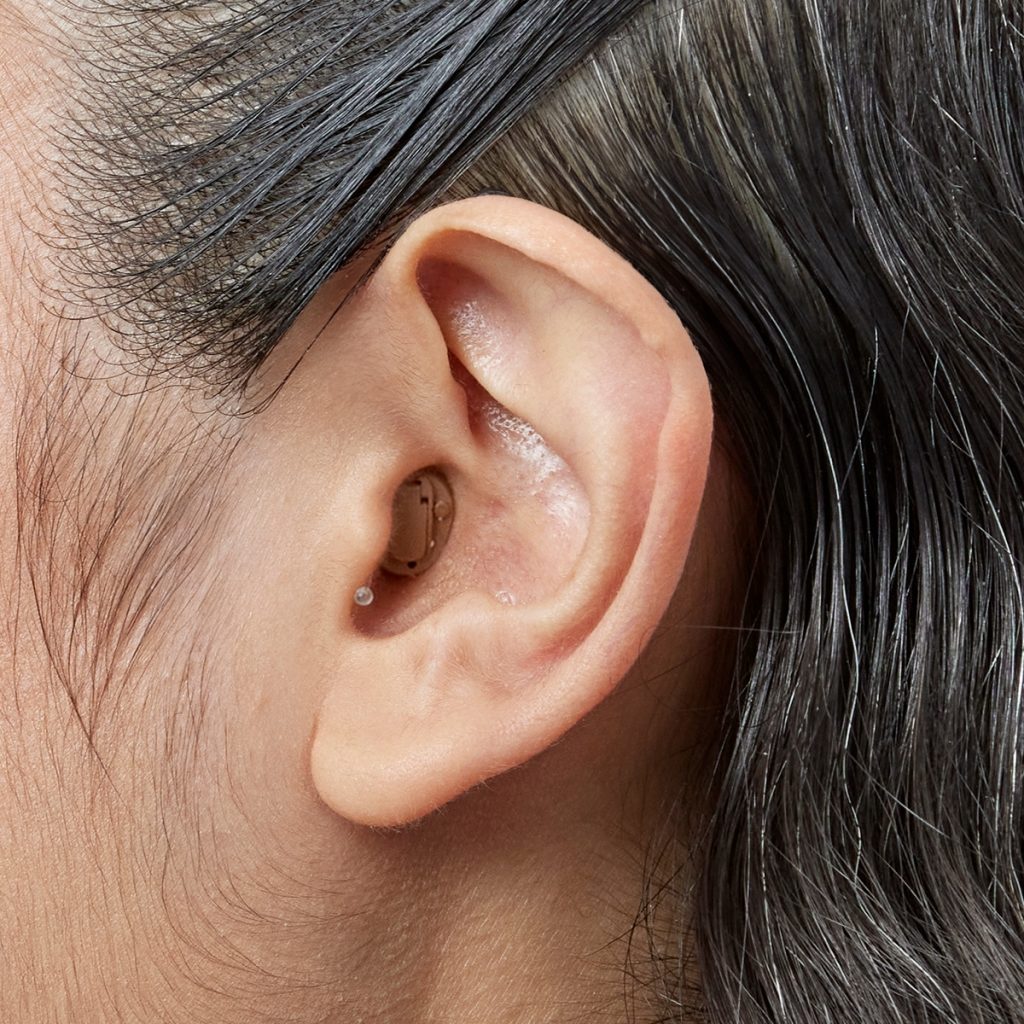 CIC
CICCompletely-in-the-canal
Sits inside the canal but may be slightly easier to handle and accommodate than an IIC.
- Still highly discreet
- May allow a more practical shell size
- Insertion and removal may be easier
- Actual visibility remains ear-dependent
Discretion is visible only in context.
Product cut-outs can make custom devices look larger than they are. Ear-level images give a more honest indication, but every final shell looks different because every ear is different.

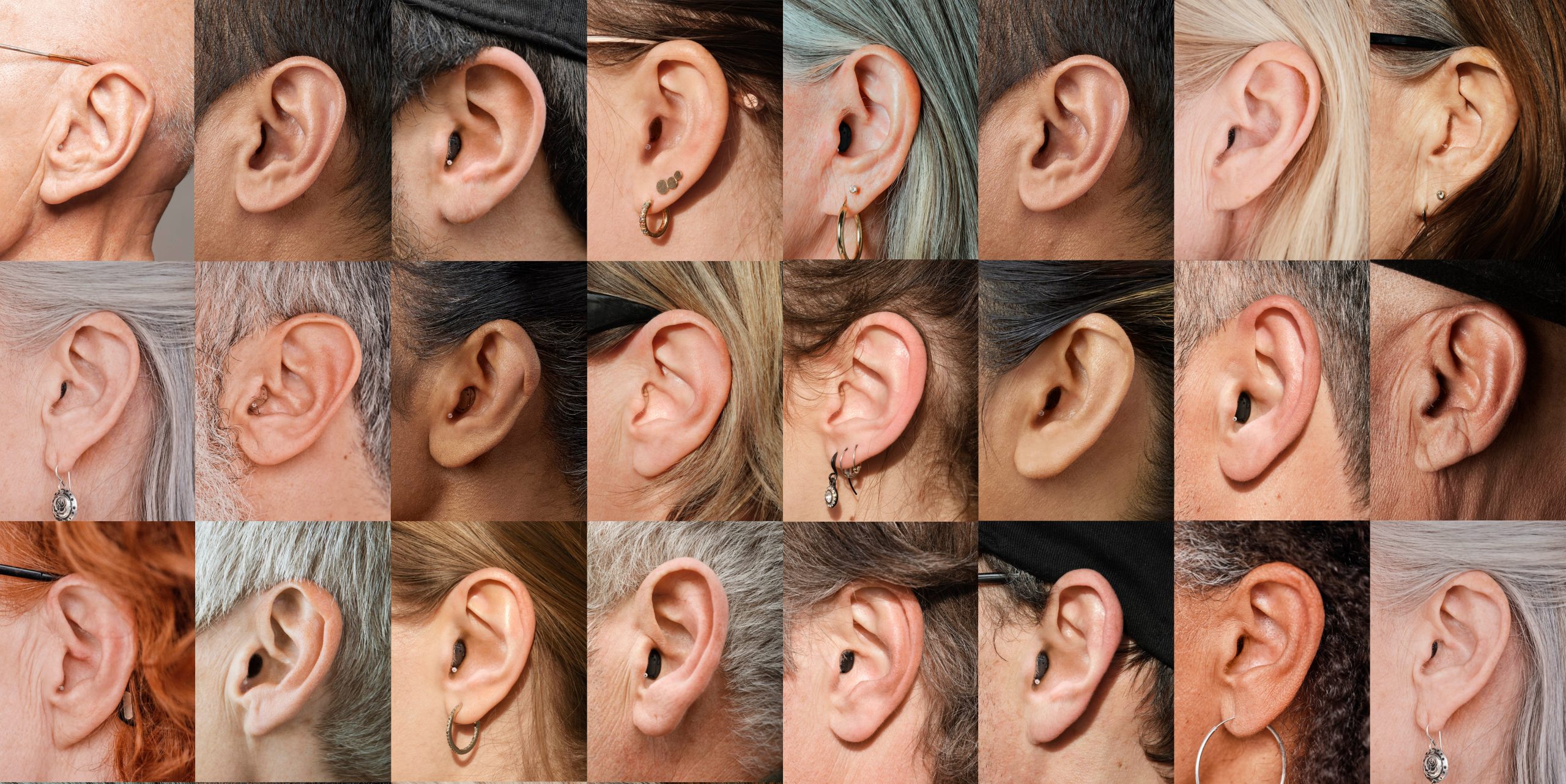
These examples illustrate possible outcomes, not a guarantee of identical depth or visibility.
The final shell balances discretion, durability and acoustics.

Discreet size does not remove the need for serious audiology.
Own SI uses Oticon’s Sirius platform and always-on DNN 2.0 processing. Because IIC and CIC devices use a single microphone, the fitting depends heavily on the quality of the sound analysis, physical fit and individual programming.
Always-on sound analysis
A second-generation Deep Neural Network helps preserve speech details and manage noise across changing environments.
Access to useful sound
The processing aims to support the brain with a fuller representation of the surrounding sound scene.
Less disruption
SuddenSound Stabilizer is designed to control abrupt everyday sounds while keeping them audible and informative.
Dust and water resistance
The device carries a high ingress-protection rating, but it is not intended for swimming or deliberate water exposure.
Comfort depends on the shell
Precise impressions and careful follow-up are essential when a device sits deep in the ear canal.
Small size limits features
If direct streaming, rechargeable use, larger controls or more power are essential, another style may be the better choice.
Manufacturer technology claims do not guarantee the same outcome for every patient. Benefit depends on hearing loss, speech understanding, ear anatomy, shell fit, programming, environment and consistent use.
Not every ear should be fitted with the smallest possible hearing aid.
We assess the whole clinical and practical picture before taking an impression or quoting a custom device.
Discretion is important and the ear can support the fit.
- The hearing loss falls within the appropriate fitting range.
- The ear canal provides enough safe space.
- Small-device handling is manageable.
- Direct connectivity is not the main priority.
Power, handling or features matter more than maximum discretion.
- A rechargeable device is strongly preferred.
- Phone streaming or hands-free calls are essential.
- Significant power or a larger receiver is required.
- Wax, moisture or anatomy makes a deep custom fit unsuitable.
From diagnostic result to a shell made for one ear.
 Assessment and counselling
 Initial fitting and comfort check
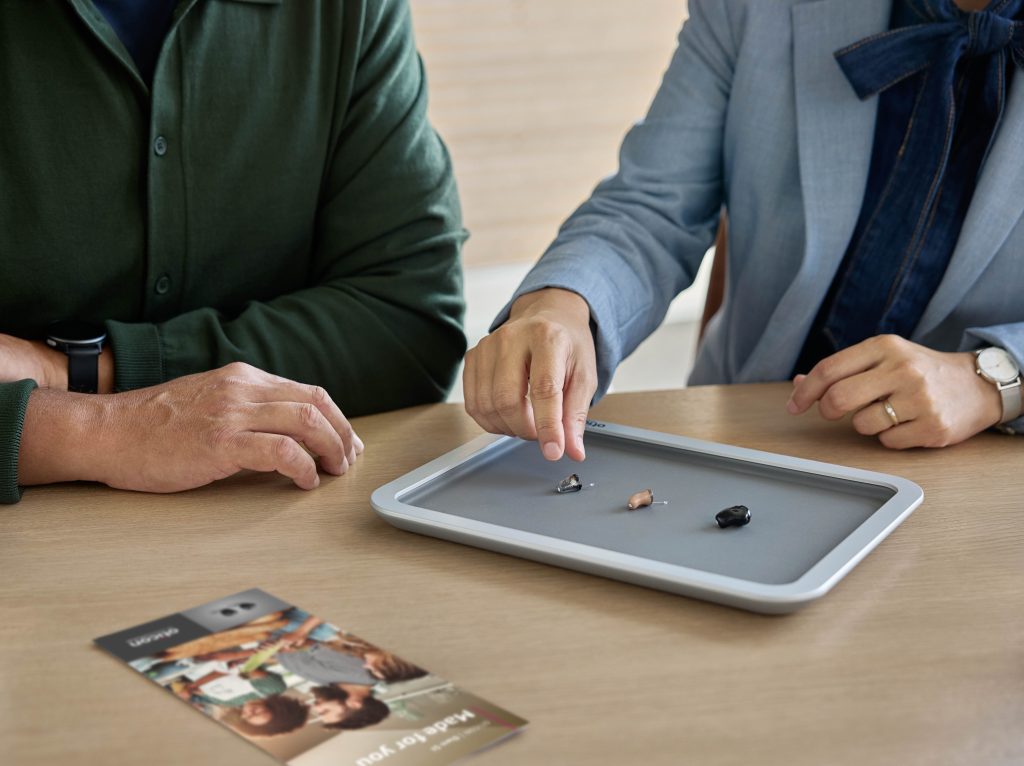 Fine-tuning and follow-up
Diagnostic assessment
Confirm hearing thresholds, speech understanding, ear health and listening priorities.
Candidacy and impression
Inspect the canal, choose the likely style and take a safe physical impression where appropriate.
Design and quote
Confirm style, colour, technology level, payment and medical-aid documentation.
Custom manufacture
The shell is built around the ear impression and selected acoustic configuration.
Initial fitting
Check insertion, removal, comfort, feedback, programming and patient handling.
Verify and refine
Three fitting appointments are included, with verification and fine-tuning incorporated into follow-up.
The goal is not simply to hide the hearing aid. It is to make hearing support easier to live with.
Custom devices can work well with glasses, hats and active routines because nothing sits behind the ear. The correct result still depends on candidacy, comfort and consistent hearing benefit.


Oticon Own SI FAQs
Will Own SI be completely invisible?
It can be highly discreet, but visibility depends on ear-canal anatomy, shell size, hearing-loss requirements and whether IIC or CIC is selected.
What is the difference between IIC and CIC?
IIC generally sits deeper and may be less visible. CIC is slightly larger and may be easier to handle or accommodate in some ears.
Can Own SI stream directly from my phone?
The smallest Own SI styles prioritise discretion and do not provide every feature available in larger connected hearing aids. Connectivity requirements should be discussed before selection.
How does Own SI compare with Oticon Zeal?
Own SI is a true custom IIC/CIC shell made from an ear impression. Zeal is a rechargeable in-ear device with dome or micro-mould flexibility and newer wireless connectivity. See our Zeal vs Own SI guide and Oticon in-ear comparison.
How are custom hearing aids made?
An ear impression is taken after candidacy and safety checks. The manufacturer uses it to build a shell around the selected components and acoustic design.
Can I trial Own SI before ordering?
A true custom shell cannot usually be trialled in advance because it must be manufactured for the individual ear. A technology demonstration may be possible with another suitable device.
Can medical aid contribute?
Benefits depend on the scheme, plan, available funds and authorisation rules. The practice can prepare a quote and supporting clinical report.
Start with an ear and hearing assessment, not a promise of invisibility.
Tell us whether you need diagnostic testing, an Own SI candidacy check, a custom-device quote, medical-aid documentation, fitting or follow-up. The practice will confirm the appropriate appointment.