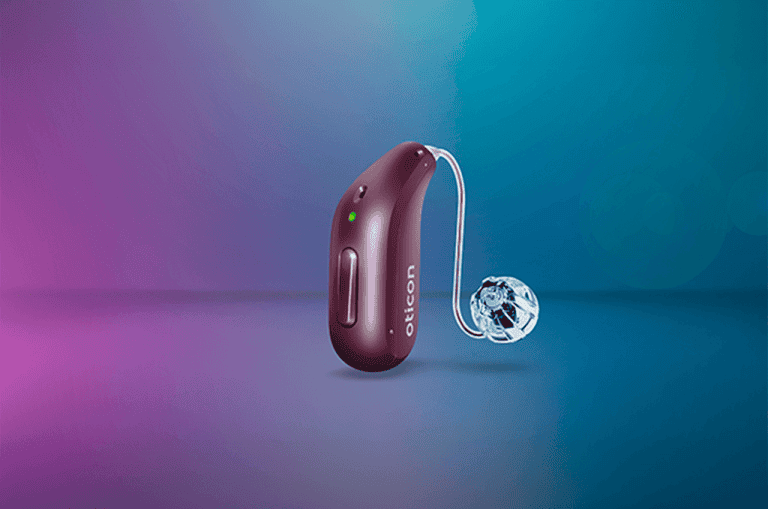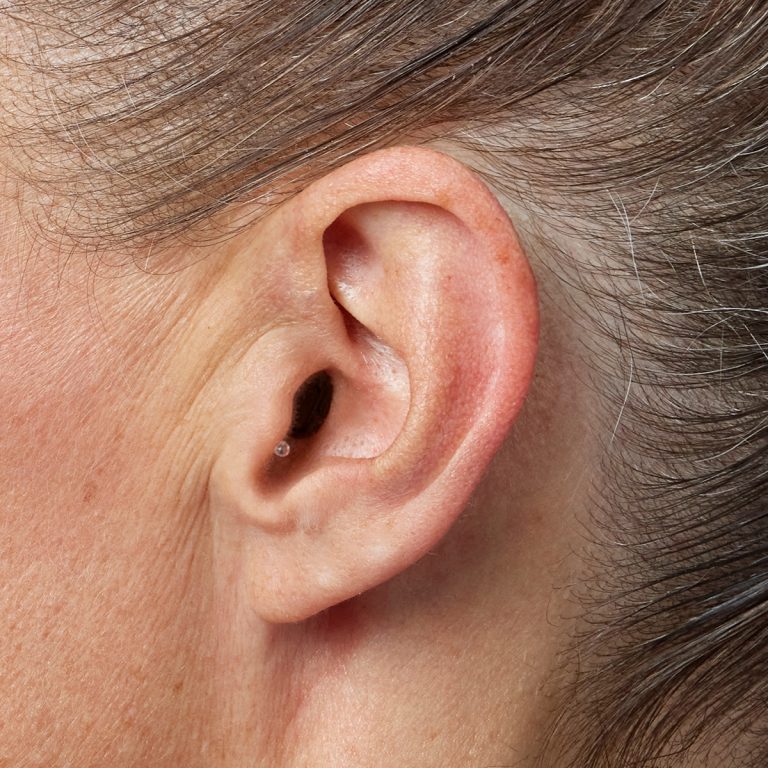




Real ear measurement, often shortened to REM, is an objective way of checking what a hearing aid is actually doing when it is worn in a real person’s ear.
That sounds obvious, but it is different from simply connecting a hearing aid to the manufacturer’s software and accepting the recommended “first fit”. The software predicts how much sound the hearing aid should provide. REM measures the sound reaching the ear canal and allows the audiologist to compare it with an evidence-based fitting target.
The short answer
REM uses a thin probe microphone placed in the ear canal while the hearing aid is worn. The system measures amplified speech-like signals at the eardrum and shows whether soft, average and louder sounds are reaching the intended targets. It turns hearing-aid programming from an estimate into a measured fitting.
Why can’t the hearing-aid software do this by itself?
Manufacturer fitting software has to make assumptions about the acoustics of the ear. Real ears are not identical. Ear-canal length and volume, dome or earmould style, venting, receiver position and the physical fit can all change the sound level reaching the eardrum.
Two people with the same audiogram and the same hearing-aid model can therefore receive different real-ear output even when the software screen appears to show the same fitting target.
What happens during REM?
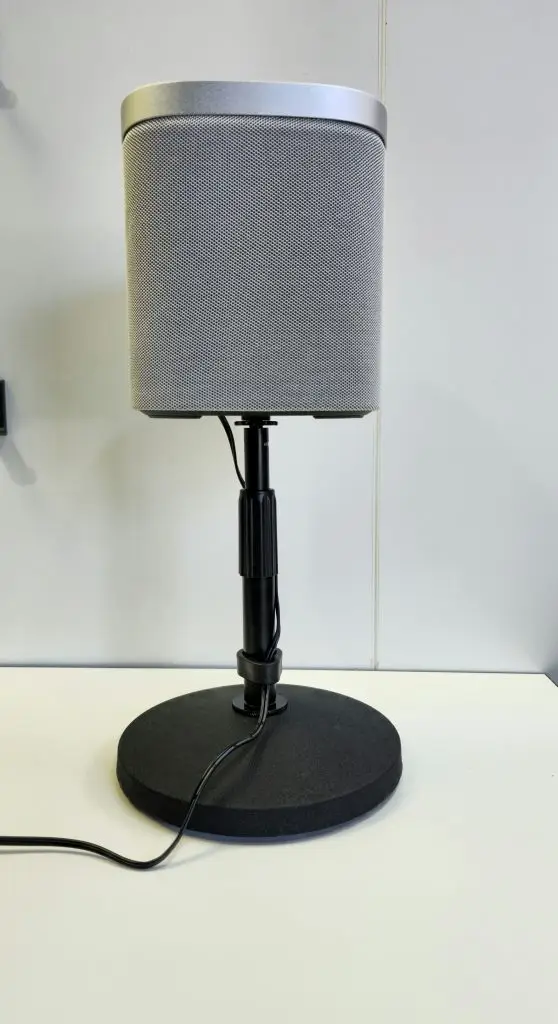
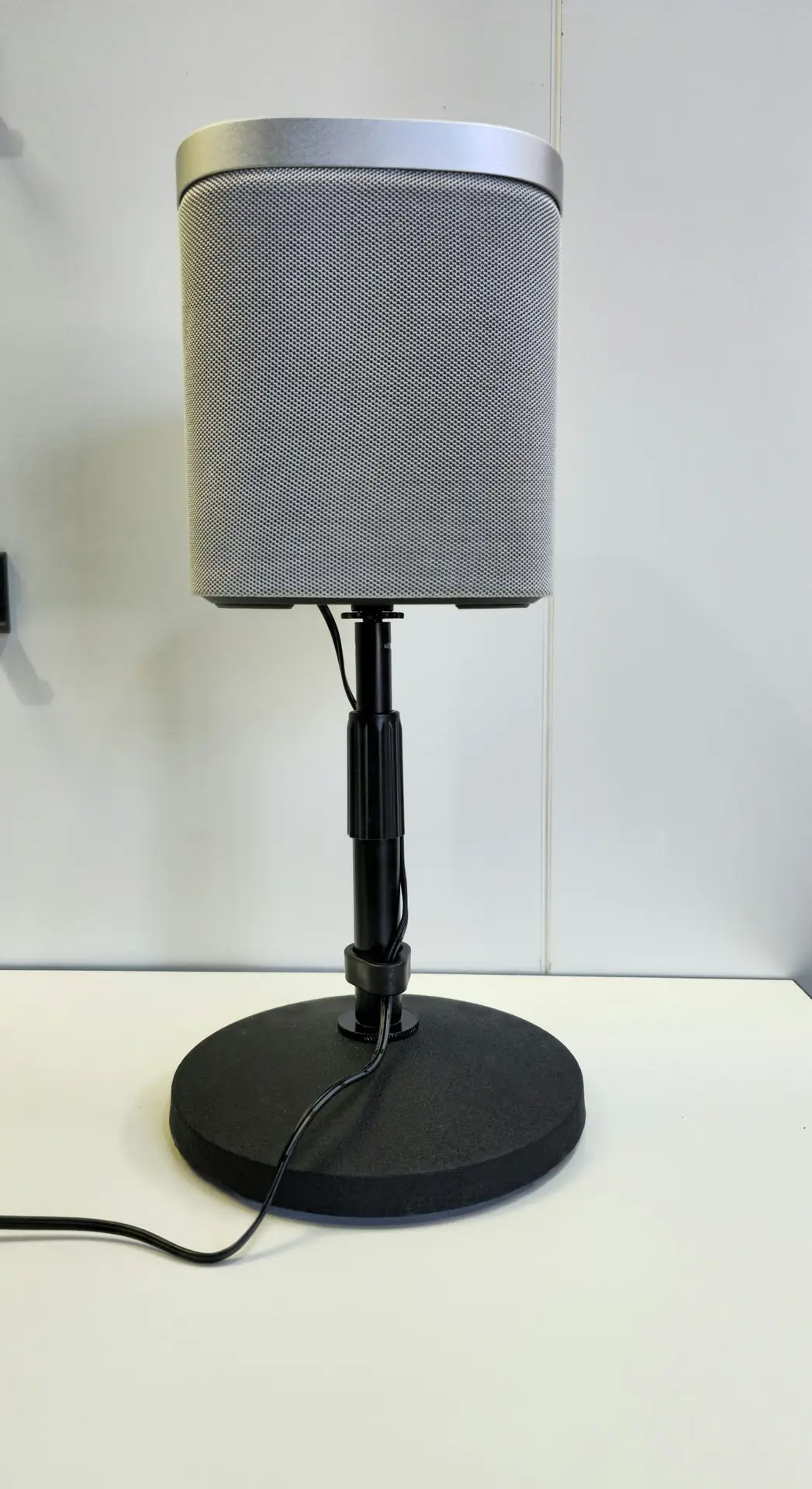
The audiologist first checks the ear and positions a thin probe tube in the ear canal. The hearing aid is then placed in the ear without dislodging the probe. Calibrated speech-like signals are presented from a loudspeaker while the probe microphone measures the sound close to the eardrum.
The measured response can be compared with a prescriptive fitting target such as NAL-NL2 or another appropriate target. The hearing aid can then be adjusted while the measurement is repeated until the output is appropriately matched or a clinical reason for a different target is established.
What is the audiologist looking for?
The aim is not to make every line on a graph look perfect for its own sake. The measurement helps answer several practical questions: Is soft speech audible enough? Is average conversational speech reaching the intended level across frequencies? Are louder inputs staying within a comfortable range? Is there a significant under-fit in the high frequencies? Is the chosen dome, vent or earmould changing the expected response?
Why “first fit” can be different from the real ear
Hearing-aid software is an excellent starting point, but it is still a prediction. Research and professional guidance have repeatedly shown that manufacturer first-fit settings do not always match prescriptive targets when the devices are measured in the patient’s ear.
The American Academy of Audiology describes real-ear verification as part of appropriate hearing-aid fitting and notes that hearing aids are programmed to prescriptive levels using real-ear measurements. This is why REM is considered a best-practice verification tool rather than an optional technology demonstration.
Does REM tell us whether you will like the hearing aid?
Not by itself. Verification and validation are different. REM verifies the acoustic output in the ear. The patient’s experience tells us whether the fitting is comfortable, useful and meeting real-world communication goals.
A technically accurate fitting may still need counselling, acclimatisation or fine-tuning. Conversely, reducing gain immediately because a new wearer finds amplified sound unfamiliar can unintentionally move the fitting too far below target. REM gives the audiologist an objective reference while subjective feedback is incorporated thoughtfully.
Does every hearing aid brand need REM?
The principle is brand-independent. Phonak, Oticon, Starkey, Signia and other manufacturers all use sophisticated fitting software, but the patient’s ear remains unique. REM measures the final interaction between the device, the coupling and that ear.
This is particularly important when comparing premium technology. A more advanced hearing aid cannot show its intended benefit if the basic gain and output have not been appropriately set.
What about custom hearing aids?
Custom devices still need verification. The measurement technique can require care because the device occupies more of the canal and probe placement must remain safe and accurate, but a custom shell does not remove the need to know what sound is reaching the eardrum.
When do we perform REM?
REM is typically performed as part of the fitting and verification process once the hearing aid, coupling and prescription are established. It can also be repeated when the acoustic setup changes, for example after changing receivers, domes, earmoulds or significant programming.
At our Bryanston practice, REM forms part of our hearing-aid fitting pathway where appropriate. You can read more about the overall process on our hearing-aid page.
Why REM matters when comparing hearing-aid prices
The price of a hearing aid should not be viewed as the price of a piece of hardware alone. Professional assessment, programming, verification and follow-up affect how effectively the technology is used. If you are comparing quotes, ask what the fitting process actually includes.
Our guide to Signia hearing-aid prices and medical aid in South Africa explains why technology level is only one part of the total cost.
Frequently asked questions
Does REM hurt?
The probe tube is thin and should not be painful when positioned correctly. The audiologist checks the ear and places it carefully before the hearing aid is inserted.
Is REM the same as a hearing test?
No. The hearing test measures hearing ability. REM measures the amplified sound produced by the fitted hearing aid inside the ear canal.
Can a hearing aid sound good without REM?
It can. The issue is that without objective verification, we do not know whether the amplification is appropriately matching the intended target across frequencies. Subjective sound quality and objective fitting accuracy are complementary, not interchangeable.
A premium hearing aid still needs a verified fitting
If you are investing in hearing technology, ask how the fitting will be verified. We provide diagnostic hearing assessment, hearing-aid fitting and real-ear verification in Bryanston.
Professional references
See the American Academy of Audiology hearing-aid guidance and its resources on verification and patient-centred hearing care.