




When one ear cannot usefully receive conventional amplification.
A CROS system places a transmitter on the poorer ear and sends sound to a compatible hearing aid on the better ear. The goal is access to sound arriving from the poorer side, not restoration of hearing in that ear.
It moves the sound. It does not make the poorer ear hear again.
When one ear has hearing that is not considered aidable or does not provide useful speech understanding, simply increasing volume on that side may not help. A CROS transmitter captures sound from that side and routes it to the hearing aid worn on the better side.
If the better ear also has a hearing loss and needs amplification, the same general arrangement is often described as BiCROS. The receiving hearing aid then amplifies sound for the better ear while also receiving the signal from the poorer side.
The CROS transmitter microphone picks up speech and environmental sound.
The transmitter routes that sound wirelessly to the compatible hearing aid.
The wearer gains access to sound from both sides through the better ear.
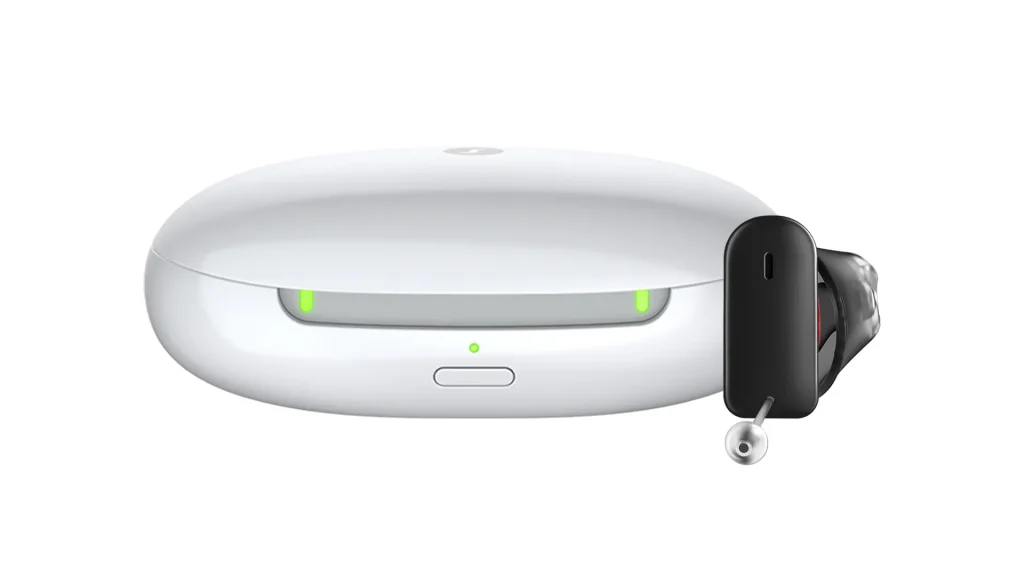
The CROS function can be worn in several different Signia styles.
Signia's current CROS IX portfolio includes Pure, Styletto, Active and Silk routes. The physical style affects discretion, handling, charging and connectivity, but the clinical CROS goal remains the same.

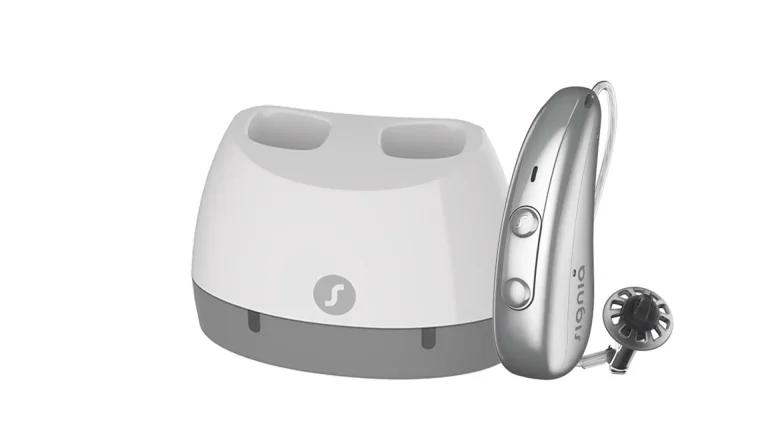
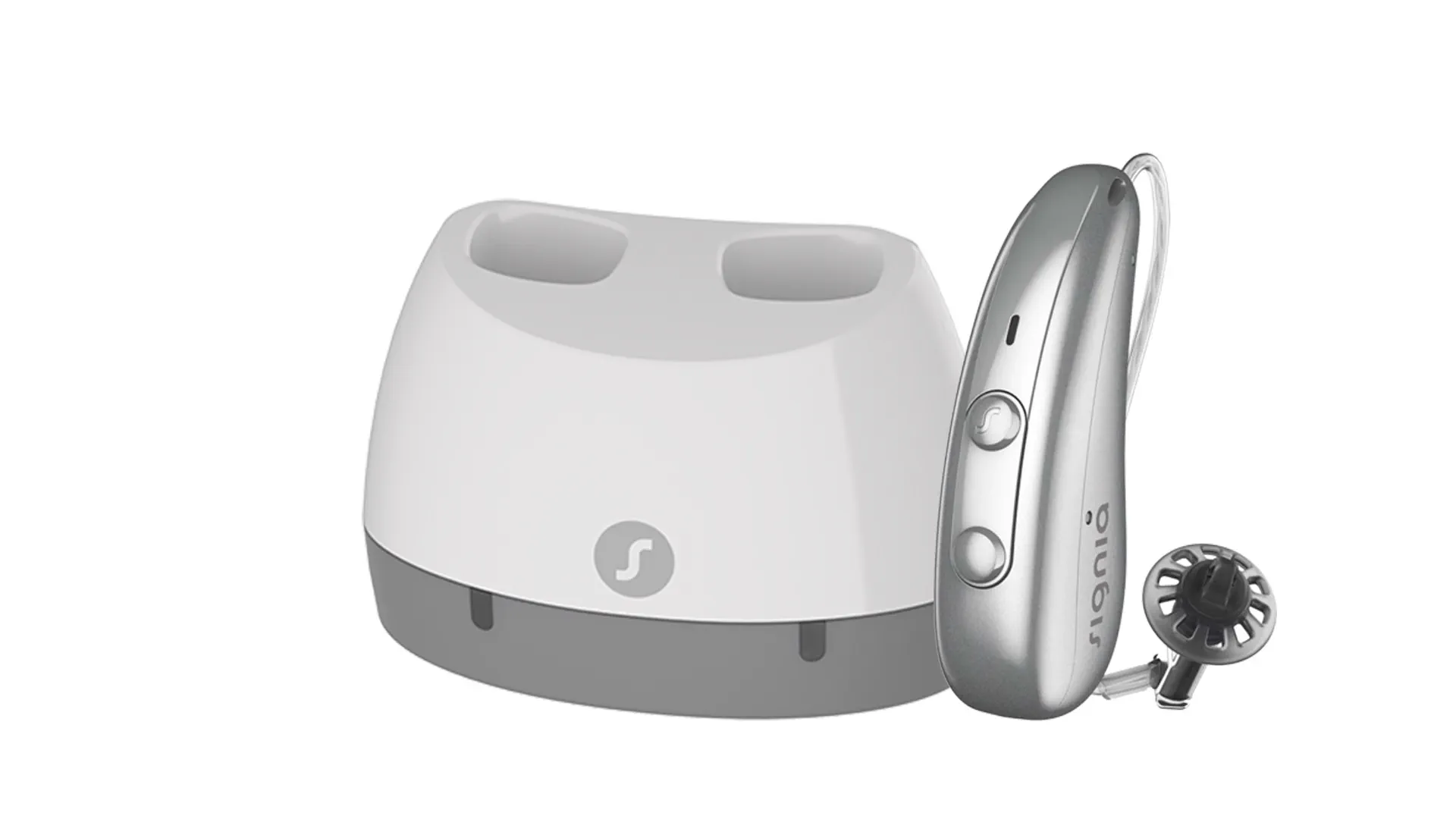
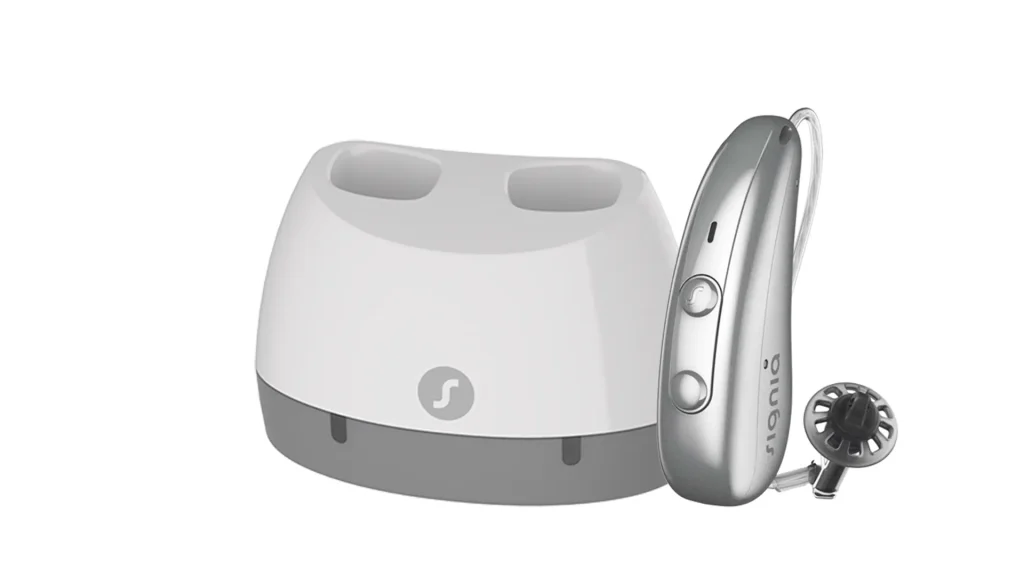
CROS Pure Charge&Go IX / BCT IX
A conventional RIC-style CROS route with rechargeable power and multiple connectivity configurations in the Pure family.
Often the most familiar physical format for adult CROS fittings.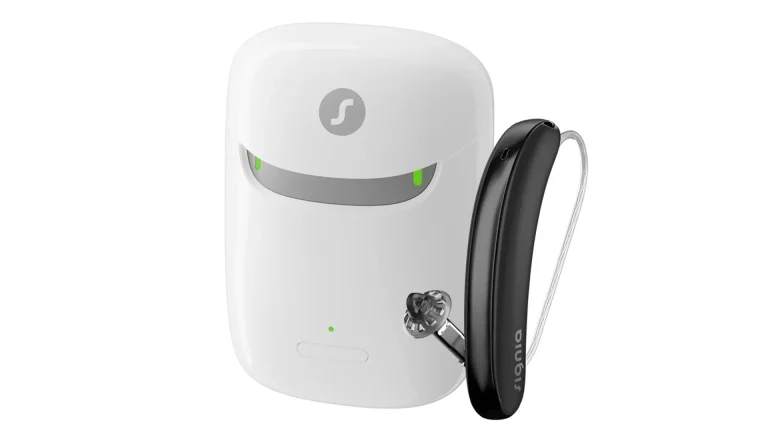
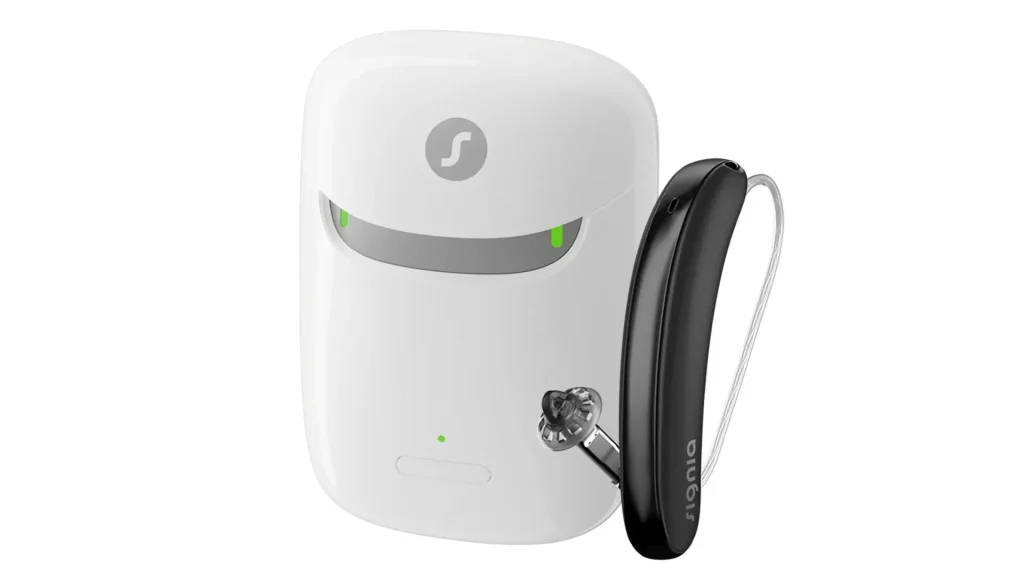
CROS Styletto IX
A slimmer behind-the-ear design for patients who prefer the Styletto form factor and compatible charging route.
Style, retention and phone compatibility still need to fit the patient.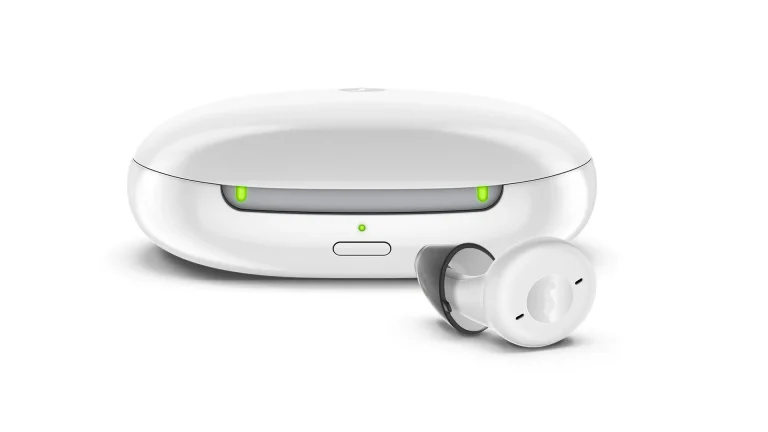
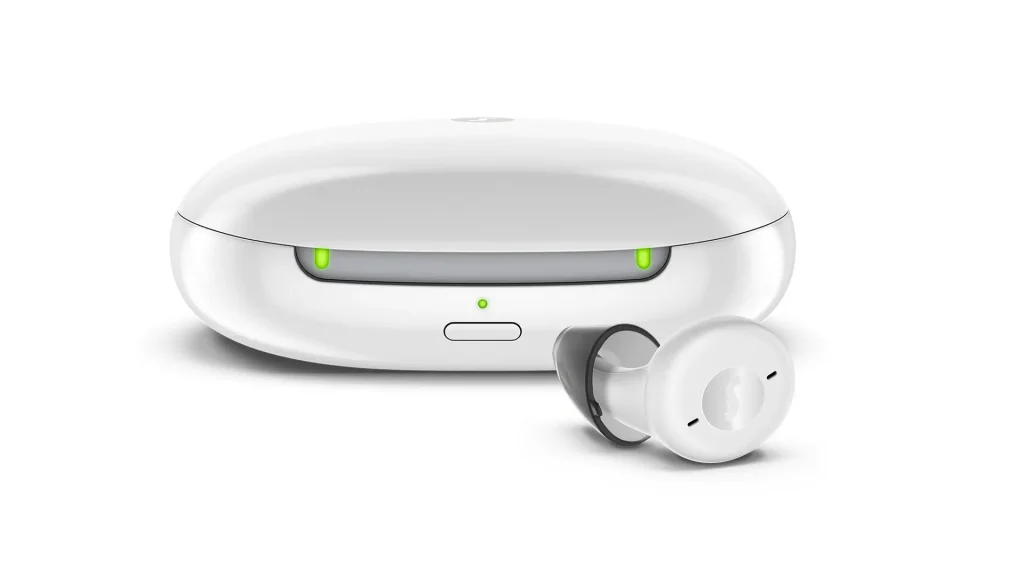
CROS Active IX
An earbud-style CROS route within the Active family for selected patients who prefer an in-ear ready-to-wear format.
Canal fit and comfort are assessed before choosing this route.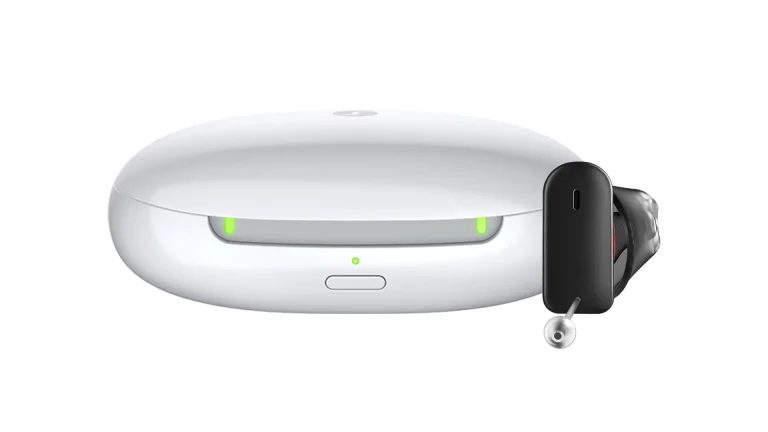
CROS Silk IX
A discreet in-canal CROS route for patients whose ear anatomy and handling allow a smaller ready-to-wear option.
Smaller is not automatically easier. Insertion, maintenance and wax exposure matter.We first need to know whether the poorer ear is truly a CROS ear.
Unilateral hearing problems need diagnosis before technology selection.
CROS solves the head-shadow problem better than it solves localisation.
The main practical benefit is that someone speaking on the poorer side no longer has to be physically repositioned to the better ear before their voice is accessible. This can help in cars, meetings, restaurants and group settings.
Because both signals are ultimately heard through one functioning auditory side, localisation and binaural processing are not restored in the same way as two naturally hearing ears.
Understand the routing before choosing the style.
CROS is a clinical strategy first and a product family second.
The important questions are clinical, not cosmetic.
What is the difference between CROS and BiCROS?
CROS is generally used when the poorer ear is unaidable and the better ear does not need conventional amplification. BiCROS is used when the poorer ear is unaidable and the better ear also has a hearing loss that benefits from amplification.
Will CROS restore hearing in my deaf ear?
No. The transmitter sends sound from that side to the better ear. It improves access to sound arriving from the poorer side but does not restore hearing in the poorer ear.
Can I trial a CROS system?
Where suitable and where compatible trial equipment is available, a trial is useful because the practical benefit is highly individual.
Do I need an ENT before CROS?
Not every established unilateral loss requires a new ENT review, but unexplained, sudden or asymmetric sensorineural loss often needs medical investigation. We advise according to the clinical history and test results.
One ear much worse than the other?
Bring previous audiograms or ENT reports if you have them. From our Bryanston practice, we see patients from Sandton and greater Johannesburg and can establish whether conventional amplification, CROS, BiCROS or further medical investigation is the appropriate next step.