




Support that adapts as your listening situation changes.
Oticon Intent combines BrainHearing technology with four types of sensor information to vary support as you move, converse and listen in changing environments. We assess whether that premium approach fits your hearing results, daily demands and budget.

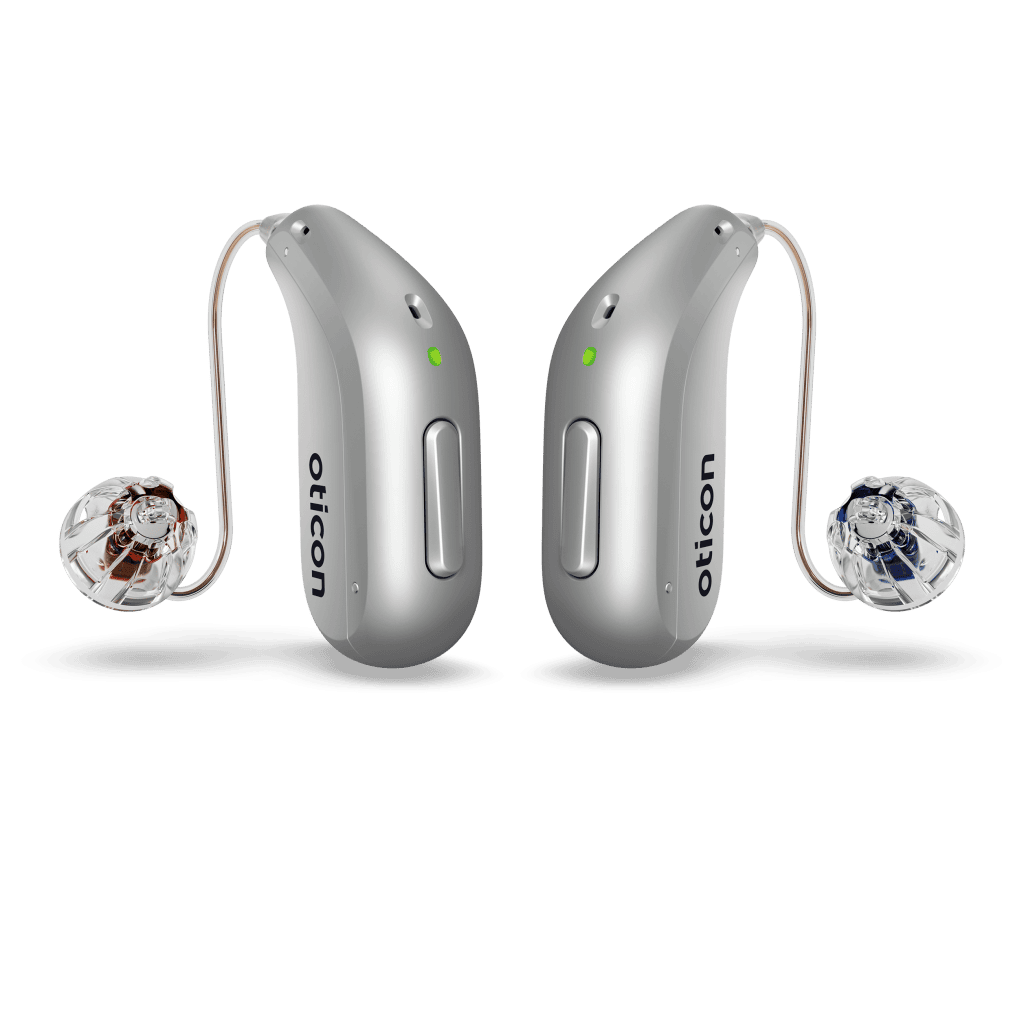
The same room can create three different listening needs.
Someone leaning into one conversation may need different support from someone scanning a group or moving through the room. Intent uses behavioural and acoustic inputs to inform how much support is applied within the audiologist’s fitting.

Four inputs help the hearing aids estimate the support a situation may require.
The system does not read thoughts. It combines observable movement, conversation and sound-environment information to personalise processing within the programmed fitting.

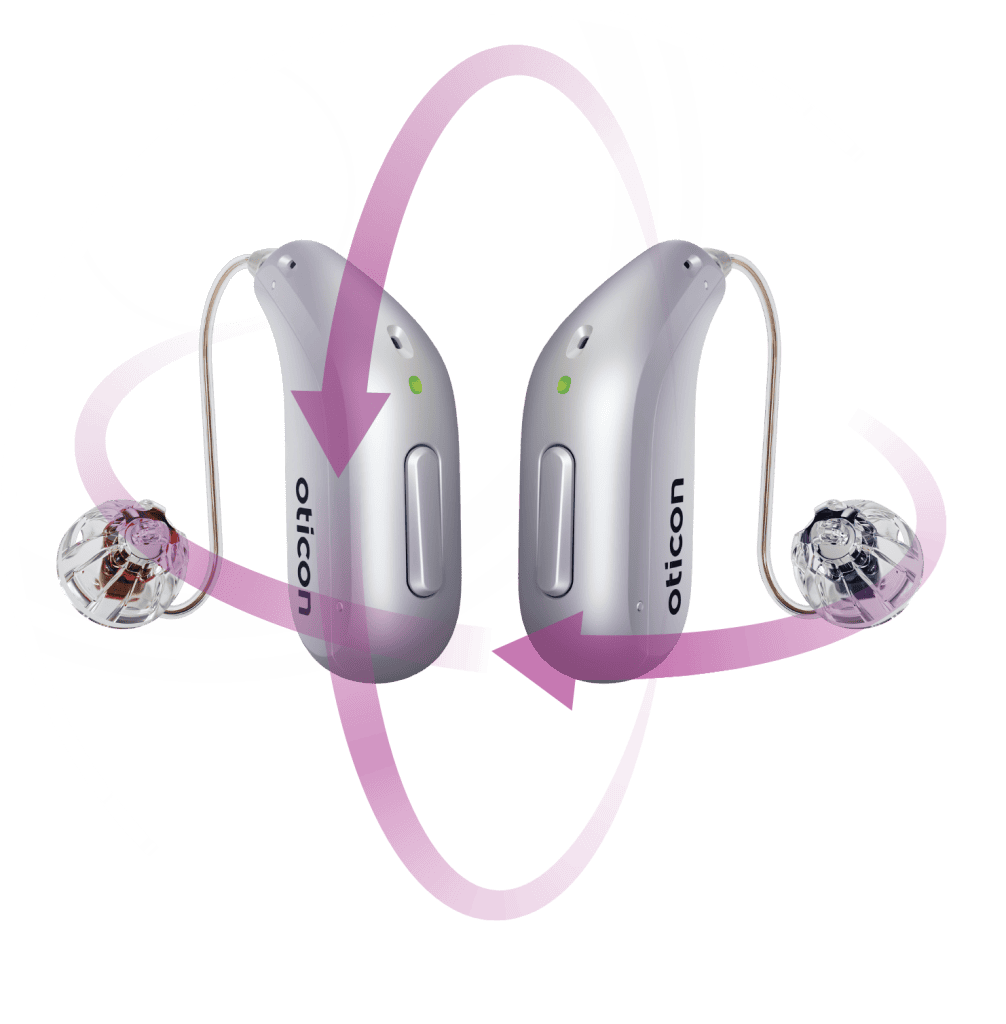
Head movement
Turning, orienting and scanning can provide clues about where attention may be shifting.
Body movement
Movement or stillness helps distinguish an active situation from a more settled listening task.
Conversation activity
The system considers whether conversation is occurring around the listener.
Acoustic environment
Sound level, complexity and surrounding noise remain part of the processing decision.
Features only matter when they answer a real communication problem.
Sound-scene recognition
A second-generation Deep Neural Network helps analyse complex sound patterns and informs speech and noise processing.
Access to the sound scene
The design aims to preserve useful sound around the listener rather than relying only on a narrow forward focus.
Changing support
Processing can vary as movement, conversation and environmental demands change.
Sudden and disruptive sounds
Management features are designed to reduce disruption from sharp everyday sounds without removing useful information.
Wind and handling
Dedicated processing aims to reduce interference from wind and hearing-aid contact noise.
Two-ear coordination
A pair of hearing aids exchanges information so the fitting can work as a coordinated system.
Technology descriptions are based on Oticon’s technical literature. Individual benefit varies with hearing loss, speech understanding, fitting accuracy, environment, device use and acclimatisation.
Intent is available in rechargeable behind-the-ear formats.
The exact model, receiver, dome or earmould is selected according to hearing loss, ear shape, comfort, power, handling and telecoil requirements.
 Available colour range may vary by model and local stock.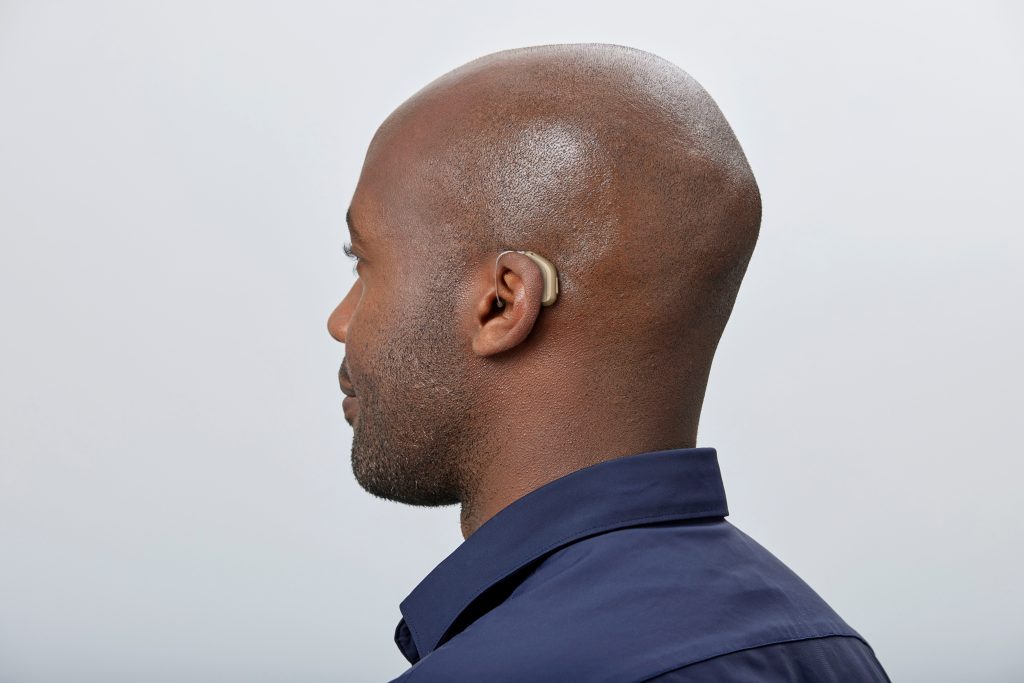
Receiver-in-canal
A compact rechargeable route with the speaker positioned in the ear canal. Often selected for flexibility and discreet daily use.
Behind-the-ear
A rechargeable BTE route that may suit handling, power, earmould or telecoil requirements.
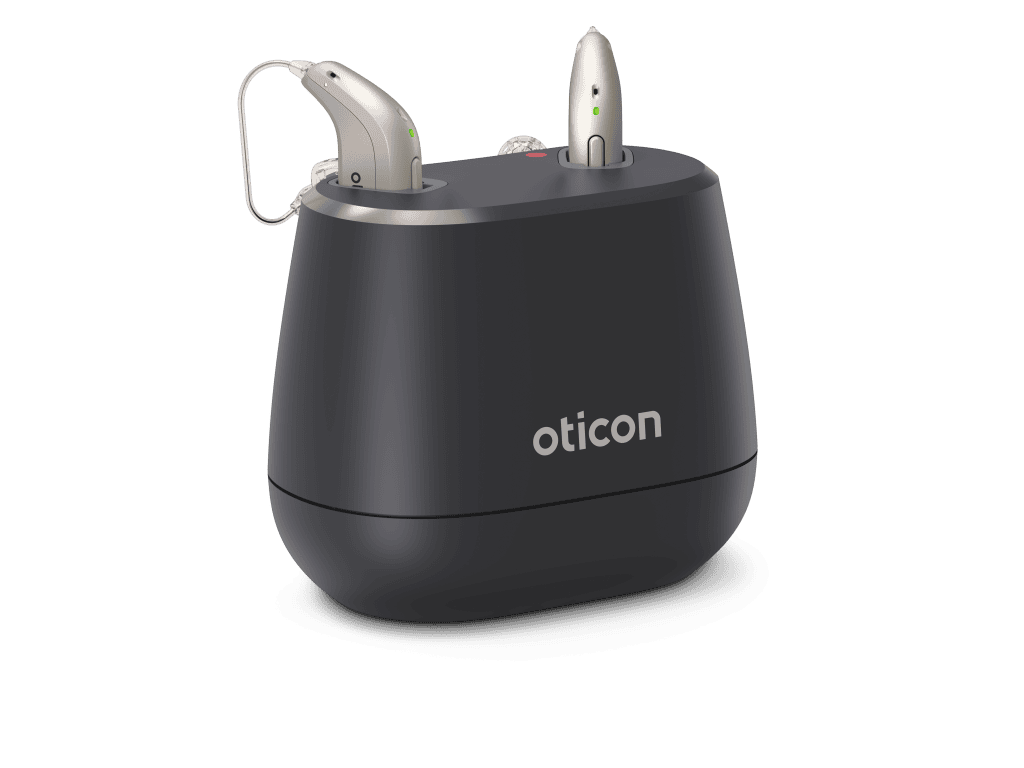
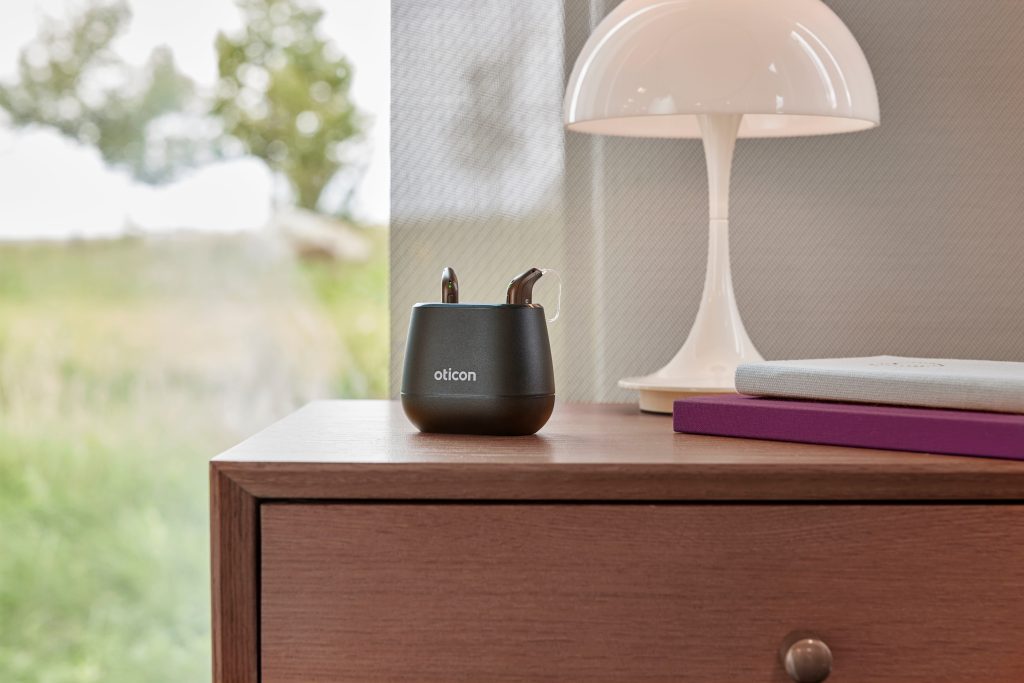
Rechargeability works best when it fits an actual daily habit.
We discuss expected daily use, streaming, travel, power interruptions, charger placement and whether the patient can reliably insert and remove the hearing aids.
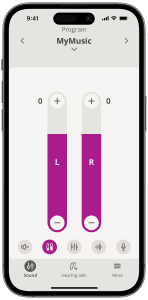
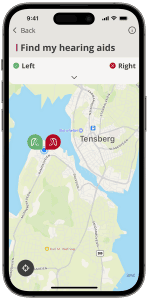
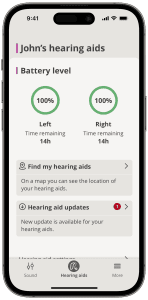
Calls, streaming and control are useful only when compatibility is confirmed.
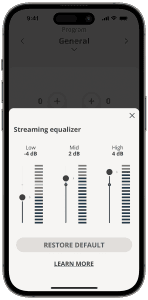
Selected Intent models support direct streaming, hands-free calls and app control. We check the patient’s phone, operating system, intended accessories and day-to-day use before purchase.

Listening demands change throughout the day.
- Group conversation or background noise is a major difficulty.
- The listener moves between quiet, social and active environments.
- Rechargeability and modern phone connectivity are priorities.
- A premium adaptive route fits the available budget.
Style, anatomy or practical handling changes the decision.
- A custom in-ear device is the main priority.
- Significant power or specialist coupling is required.
- Charging is impractical or replaceable batteries are preferred.
- Another Oticon range or manufacturer provides a better clinical or financial fit.
Premium technology still depends on precise fitting and follow-up.
Diagnostic testing
Confirm hearing thresholds, speech understanding, ear health and listening priorities.
Trial where available
A suitable demonstration unit may be trialled, usually for approximately ten days.
Compare and quote
Compare Intent with other suitable technology levels, Oticon ranges and manufacturers.
Medical aid
Prepare the relevant quote and clinical supporting documents where required.
Order after payment
Confirm model, colour, receiver, charger and accessories before ordering.
Fit, verify and refine
Three fitting appointments are included, with real-ear measurements incorporated into follow-up.
Oticon Intent FAQs
Does Intent know exactly what I want to hear?
No. It uses movement, conversation and acoustic information to estimate the support a situation may require. It does not read thoughts.
Is Intent automatically the best Oticon hearing aid?
No. It is a premium route, but Zeal, Own SI, Jet PX, Real, Verit or another manufacturer may fit the patient better. See Zeal vs Intent and Intent vs Real for the main trade-offs.
Can I trial Oticon Intent?
A trial may be arranged when suitable demonstration units are available. The trial configuration may differ from the final ordered device.
Can Intent connect to my phone?
Selected models support streaming, calls and app control. Compatibility depends on the phone, operating system, model and accessories.
Does medical aid cover Intent?
Benefits depend on the scheme, plan, available funds and authorisation rules. The practice can prepare a quote and supporting report.
How is Intent verified?
Programming is refined through the fitting process, with real-ear measurements incorporated into follow-up to check the sound delivered in the individual ear.
Start with a hearing assessment or a current diagnostic result.
Tell us whether you need diagnostic testing, an Intent comparison, a trial, medical-aid documentation, fitting or follow-up. Your preferred appointment is confirmed by the practice.