




Ear examination
We inspect the canal and visible eardrum area before deciding whether wax is present and whether removal is appropriate.
Earwax can cause fullness, muffled hearing and hearing-aid problems, but a blocked-ear feeling does not automatically mean wax. We examine the ear first, then guide the safest next step.
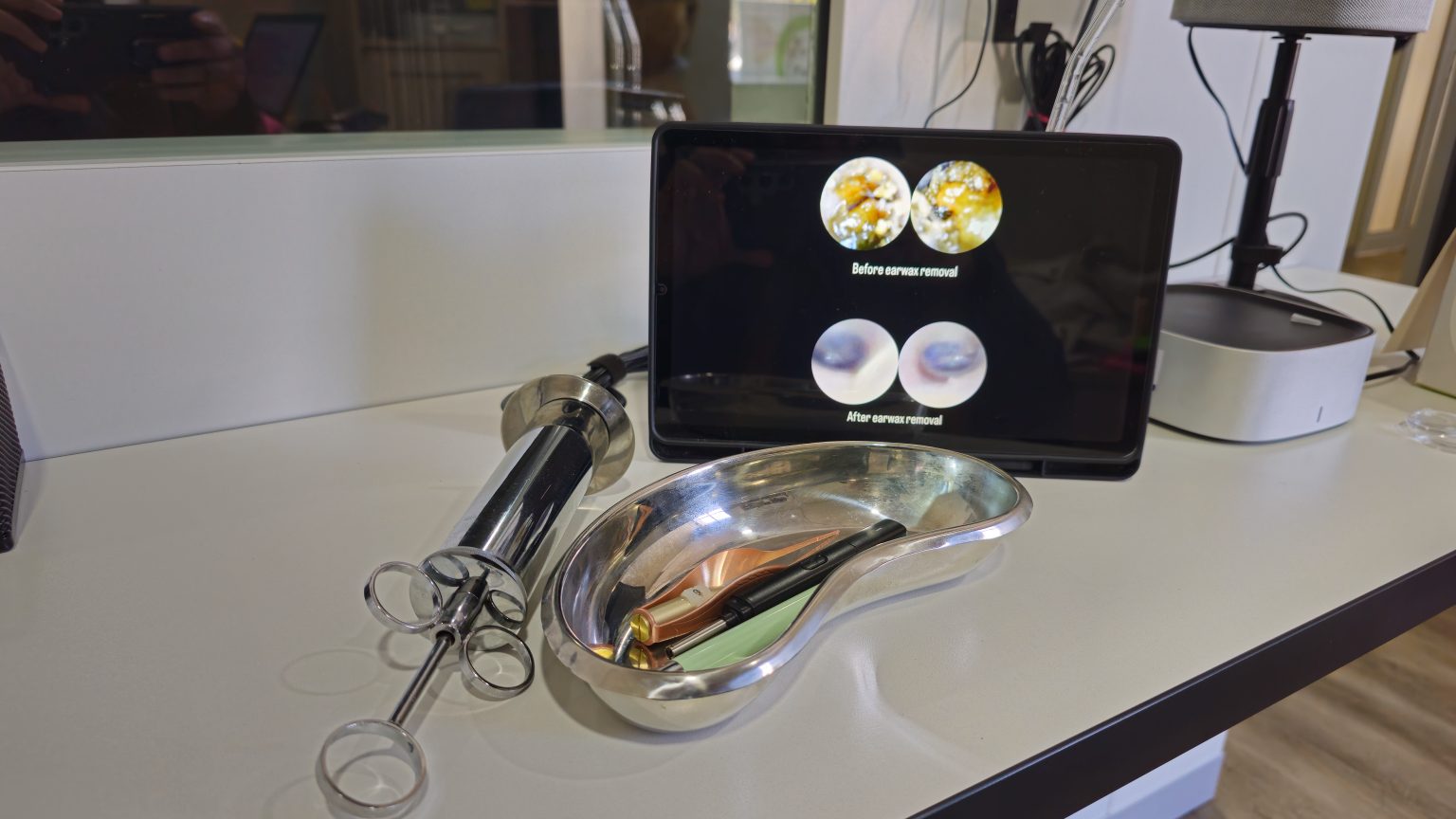
Wax is common, but fullness or muffled hearing can also occur with middle-ear pressure, inflammation, infection, sudden hearing changes or other ear conditions. That is why treatment should begin with examination rather than assumption.
Explore diagnostic audiologyThe exact pathway depends on the ear history, symptoms and examination findings. Not every patient needs the same procedure, and not every ear should be managed in-practice.
Prepare for your appointmentWe inspect the canal and visible eardrum area before deciding whether wax is present and whether removal is appropriate.
Pain, discharge, previous surgery, perforation history, dizziness, sudden hearing changes and other risk factors are considered.
If removal is appropriate, the available method is selected according to the clinical situation and what can be managed safely in-practice.
The ear is reassessed and we explain whether any hearing testing, follow-up or referral is needed.
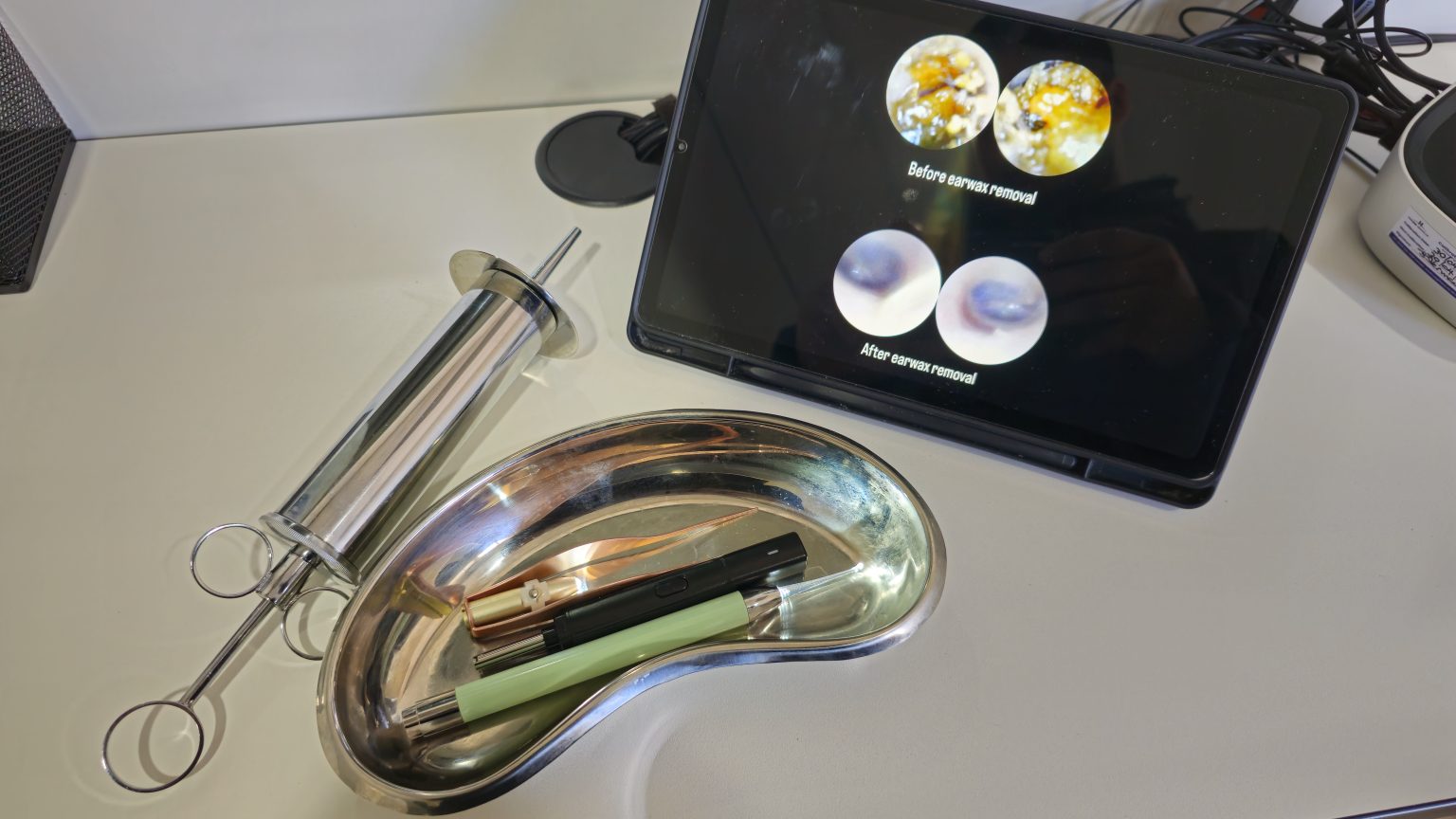
Good earwax care means understanding whether the wax is actually responsible for the symptoms, whether the ear is suitable for management, and whether the hearing should be reassessed afterwards.
Tell the practice before your appointment if any of these apply. They may change what should happen first.
Cotton buds and other objects can push wax deeper, irritate the canal or make it harder to see what is happening. If you are considering wax-softening drops, ask the practice first because preparation is not appropriate for every ear history.
Ask what to do before your appointmentYes. Impacted wax can contribute to muffled hearing, a blocked sensation and reduced hearing-aid performance.
No. The ear is examined first. If removal is appropriate, it may be managed. If not, the safest next step is explained.
Not automatically. Preparation depends on the ear history and clinical situation, so ask the practice before using wax-softening drops.
Yes. Middle-ear pressure, inflammation, infection and hearing changes can also create fullness or muffled hearing.
If hearing does not improve as expected, or there are other hearing concerns, a diagnostic hearing assessment may be recommended.
Tell us what you are experiencing. The team will contact you to confirm the most suitable appointment.
Earwax-removal suitability depends on examination findings, symptoms, relevant ear history and safety considerations.